
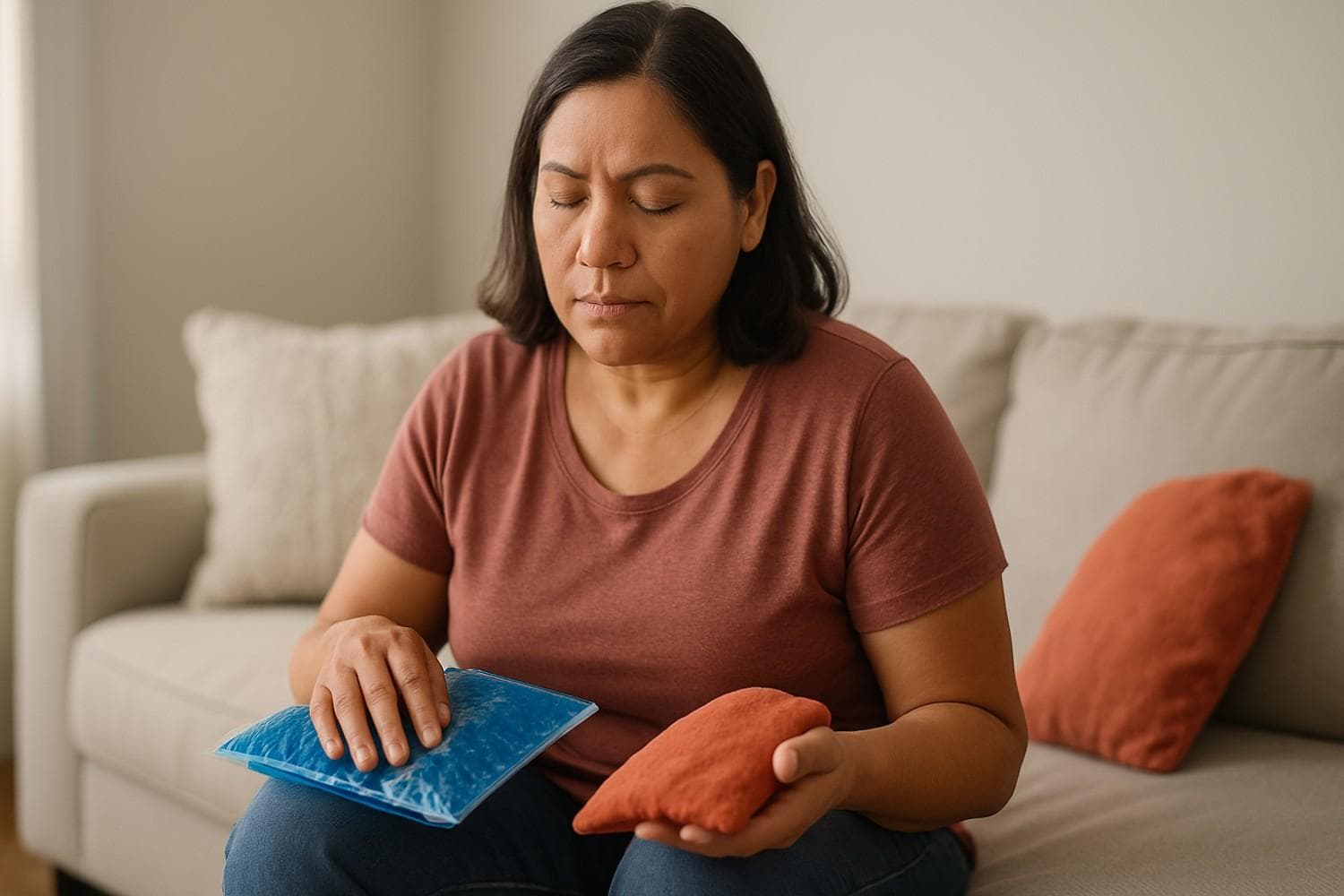
Cold vs. Heat Therapy: Choosing the Right Modality for Your Pain
Cold vs. Heat Therapy: Choosing the Right Modality for Your Pain
At Pain Management Laredo, we find that many patients are confused about when to use cold therapy versus heat therapy for their pain conditions. These simple, non-invasive treatment options can be remarkably effective when applied correctly—but may actually worsen symptoms when used inappropriately. This comprehensive guide will help Laredo residents understand the science behind these therapies, learn when to apply each modality for specific conditions, and master proper application techniques for maximum benefit.
The Science Behind Cold and Heat Therapy
Understanding how these therapies affect your tissues helps explain their different applications:
How Cold Therapy Works
- Vasoconstriction: Cold causes blood vessels to narrow, reducing blood flow to the area and limiting inflammation and swelling.
- Nerve Conduction Slowing: Cold temperatures slow the ability of nerve fibers to transmit pain signals, creating a numbing effect.
- Metabolic Slowdown: Cellular activity and metabolic reactions decrease with cold, reducing secondary tissue damage after injury.
- Muscle Tone Reduction: Cold can decrease muscle spasm and hypertonicity, though prolonged application may increase muscle tension.
- Anti-inflammatory Effects: Cold therapy reduces the release of inflammatory mediators and slows the inflammatory cascade.
How Heat Therapy Works
- Vasodilation: Heat expands blood vessels, increasing circulation and bringing oxygen and nutrients to the area while removing waste products.
- Tissue Elasticity: Heat increases the extensibility of collagen tissues, reducing stiffness and increasing flexibility in muscles, tendons, and ligaments.
- Pain Gate Mechanism: Heat stimulates sensory receptors that can help block the transmission of pain signals to the brain.
- Muscle Relaxation: Heat decreases muscle tension and spasm by reducing the excitability of muscle spindles and promoting relaxation.
- Metabolic Increase: Heat accelerates cellular metabolism, which can speed healing processes in non-acute injuries.
Temperature-Responsive Tissue Reactions
- Inflammation Response: The body's natural inflammatory process involves increased blood flow, cellular activity, and fluid accumulation—heat can amplify this response while cold suppresses it.
- Fluid Dynamics: Cold therapy reduces capillary permeability and fluid leakage into tissues, while heat can temporarily increase it.
- Neurological Effects: Both modalities affect different types of sensory nerve fibers, with cold primarily numbing pain reception and heat activating sensory fibers that can override pain signals.
- Tissue Healing Phases: Different healing phases respond differently to temperature therapies—inflammation, repair, and remodeling each have optimal temperature interventions.
This physiological understanding forms the foundation for choosing between cold and heat therapy for different conditions and situations.
When to Use Cold Therapy
Cold therapy is generally best for the following situations:
Acute Injuries (First 24-72 Hours)
- Sprains and Strains: Cold therapy helps minimize the initial inflammatory response, reducing swelling and pain in newly injured ligaments and muscles.
- Contusions (Bruises): Cold helps limit internal bleeding and swelling from blunt force injuries.
- Post-Traumatic Swelling: After falls, impacts, or sports injuries, cold therapy helps contain tissue swelling and limit secondary damage.
- Acute Tendonitis: Sudden onset tendon inflammation from overuse responds well to initial cold treatment.
- Acute Joint Inflammation: Sudden joint swelling from injury or flare-ups of conditions like gout or rheumatoid arthritis.
Chronic Conditions with Inflammatory Flares
- Rheumatoid Arthritis During Flares: Cold can help manage the intense inflammation during active flare periods.
- Gout Attacks: The intense inflammation of acute gout typically responds better to cold therapy.
- Post-Exercise Inflammation: For those with chronic conditions who experience predictable inflammatory responses after activity.
- Migraine Headaches: Cold therapy (particularly to the forehead, temples, or back of the neck) can help reduce the throbbing pain of migraines.
- Inflammatory Spine Conditions: Acute flares of ankylosing spondylitis or inflammatory disc conditions.
Post-Surgical Recovery
- After Orthopedic Procedures: Cold therapy helps manage post-operative swelling and pain, particularly in the first 72 hours.
- Following Joint Replacement: Systematic cold therapy is often part of recovery protocols after knee or hip replacements.
- After Soft Tissue Procedures: Surgeries involving tendons, ligaments, or other soft tissues typically benefit from initial cold therapy.
- Managing Surgical Site Inflammation: Cold therapy can help minimize the body's inflammatory response around incision sites.
Additional Cold Therapy Indications
- Nerve Irritation: Some neuralgias and nerve compression syndromes respond to cold's numbing effects.
- Acute Low Back Muscle Spasm: While many back conditions respond better to heat, acute muscle spasms from strain sometimes benefit from initial cold application.
- Dental Pain: Cold therapy can temporarily reduce dental inflammation and pain.
- Burning Pain Sensations: Neuropathic pain with burning qualities may respond to the counterirritant effect of cold.
For Laredo residents dealing with acute injuries or inflammatory flares, cold therapy offers a readily accessible first-line intervention to help manage pain and swelling.
When to Use Heat Therapy
Heat therapy is generally most beneficial in these circumstances:
Chronic Pain Conditions
- Persistent Muscle Tension: Chronic muscle tightness, spasm, and trigger points often respond well to heat's muscle-relaxing effects.
- Osteoarthritis: The stiffness and aching pain of osteoarthritis, particularly in the morning or after inactivity, frequently improves with heat.
- Chronic Back Pain: Ongoing back pain without acute inflammation typically benefits from heat's ability to relax muscles and increase tissue flexibility.
- Fibromyalgia: The widespread muscle pain and stiffness associated with fibromyalgia often responds positively to heat therapy.
- Myofascial Pain Syndrome: Persistent trigger points and fascial restrictions can be reduced with regular heat application.
Preparation for Activity
- Pre-Exercise Warming: Heat application before physical activity increases tissue extensibility and prepares muscles for movement.
- Pre-Stretching Preparation: Heat enhances the effectiveness and safety of stretching routines by making tissues more pliable.
- Morning Stiffness Management: Heat therapy helps overcome the stiffness that many pain patients experience upon waking.
- Before Physical Therapy: Heat applied before therapeutic exercises can improve performance and comfort during the session.
Sub-Acute and Healing Injuries
- After the Initial Inflammatory Phase: Once the acute phase (first 72 hours) has passed, heat can promote healing by increasing circulation to the injured area.
- Resolving Hematomas: After initial cold therapy for bruises, later-stage heat can help clear accumulated blood and fluid.
- Wound Healing Acceleration: For non-infected wounds, increased circulation from heat therapy can support the healing process.
- Subacute Sprains and Strains: As ligament and muscle injuries move beyond the acute phase, heat helps restore mobility and function.
Additional Heat Therapy Indications
- Menstrual Cramps: Heat therapy helps relax the uterine muscles and increase circulation to relieve menstrual pain.
- Tension Headaches: Unlike migraines, tension headaches often respond well to heat applied to the neck and upper shoulders.
- Non-Inflammatory Joint Stiffness: Joints affected by disuse or mild arthrosis rather than active inflammation.
- Stress-Related Muscle Tension: The relaxation effects of heat therapy can help address psychophysiological muscle tension.
For many Laredo residents with chronic pain conditions, heat therapy provides not only pain relief but also improved function and quality of life through its effects on tissue mobility and muscle relaxation.
Special Considerations for Alternating Therapies
Some conditions benefit from a strategic combination of both modalities:
Contrast Therapy Approaches
- Contrast Bathing Protocol: Alternating between cold (1 minute) and heat (3-4 minutes) for a series of cycles, typically ending with cold for acute conditions or heat for chronic conditions.
- Post-Exercise Recovery: Athletes and active individuals may benefit from alternating cold and heat to both manage inflammation and promote circulation.
- Edema Management: Controlled alternation can create a "pumping" effect that helps move excess fluid out of tissues.
- Transition from Acute to Subacute: As injuries move from acute to healing phases, a gradual introduction of heat through contrast therapy can be beneficial.
Daily Pain Fluctuations
- Time-of-Day Strategies: Using heat for morning stiffness but cold for end-of-day inflammation after activity.
- Activity-Response Planning: Applying heat before activities but cold afterward if the activity typically causes symptom flares.
- Weather-Responsive Approaches: Adapting therapy choices based on how weather changes affect symptoms, particularly relevant in Laredo's variable climate.
- Pain Pattern Recognition: Learning to identify which type of pain responds better to which modality at different times.
Complex or Mixed Pain Conditions
- Multi-Site Pain: Some patients may benefit from cold therapy on acutely inflamed areas while simultaneously using heat on chronically tight muscles.
- Fibromyalgia with Inflammatory Overlay: Conditions with both inflammatory and non-inflammatory components may require different approaches for different body regions.
- Post-Surgical Pain with Muscle Guarding: Cold near the surgical site with heat on secondary muscle tension areas.
- Referred Pain Patterns: Applying different modalities to both the source of pain and the referred pain location.
This nuanced approach to temperature therapy allows Laredo patients with complex pain presentations to target different aspects of their condition simultaneously.
Proper Application Techniques
The effectiveness of thermal therapy depends greatly on proper application:
Cold Therapy Methods
- Ice Packs:
- Commercial gel packs (keep one in freezer at all times)
- Homemade options (frozen peas, rice in sealed bags)
- Wet towel frozen in a ziplock bag (conforms well)
- Always wrap in a thin towel to prevent skin damage
- Ice Massage:
- Freeze water in paper cups and peel away edges for direct application
- Use circular motions over small, specific areas
- Particularly effective for targeted trigger points
- Limit to 3-5 minutes per area
- Cold Immersion:
- For extremities: soaking in cold water (50-59°F/10-15°C)
- Gradually building tolerance from 30 seconds to several minutes
- Adding ice gradually rather than starting with ice-cold water
- Monitoring skin response and sensation carefully
- Commercial Cold Products:
- Specialized wraps with removable cold inserts
- Cold therapy systems with circulating cooled water
- Instant cold packs for emergency use
- Evaporative cooling sprays for temporary relief
Heat Therapy Methods
- Moist Heat:
- Hot towels or wash cloths (heated in microwave in a plastic bag with a few drops of water)
- Commercial moist heating pads
- Warm baths or showers (particularly effective for widespread pain)
- Heated gel packs with moist covers
- Dry Heat:
- Electric heating pads with multiple heat settings
- Microwavable grain bags (rice, flaxseed, or cherry pits)
- Hot water bottles (with proper insulating cover)
- Infrared heating devices
- Portable Heat Options:
- Adhesive heat patches for on-the-go relief
- Battery-operated heating pads
- Wearable heated wraps for specific body parts
- Chemical heat packs for temporary use
- Full-Body Heat Applications:
- Warm baths with Epsom salts
- Warm showers with targeted spray
- Sauna or steam room use (with medical clearance)
- Heated blankets for nighttime pain relief
Application Protocols
- Cold Therapy Timing:
- Optimal duration: 10-20 minutes
- Allow at least 40-60 minutes between applications
- Frequency: Every 2-3 hours for acute conditions
- Watch for "rebound effect" if used too frequently
- Heat Therapy Timing:
- Optimal duration: 15-30 minutes for most applications
- Lower temperatures (warm rather than hot) allow longer application
- Frequency: 3-4 times daily for chronic conditions
- Morning and evening applications often most beneficial
- Body Location Considerations:
- Areas with minimal fat coverage require lower intensity and shorter duration
- Joints often require more focused application techniques
- Curved body areas benefit from conforming modalities
- Heat penetration varies significantly by body region
These application methods provide Laredo residents with practical options for implementing thermal therapy effectively at home, even in our region's unique climate conditions.
Special Considerations for Common Pain Conditions
Specific recommendations for common pain presentations:
Back Pain Management
- Acute Low Back Pain:
- First 24-48 hours: Cold therapy to reduce inflammation and muscle spasm
- After acute phase: Typically transition to heat
- Mechanical pain (worse with movement): Often responds better to cold
- Pain with stiffness: Generally responds better to heat
- Chronic Low Back Pain:
- Morning stiffness: Heat before getting out of bed
- Muscle-dominant pain: Heat typically more effective
- After physical activity: Some benefit from brief cold application
- Large-area application: Heat wraps that cover the entire lumbar region
- Sciatica and Radicular Pain:
- Local application: Heat or cold to the low back based on response
- Along the pathway: Cold often more effective for the sharp, radiating component
- Alternating techniques: Some benefit from heat to back, cold along leg
- Positional considerations: Application while in positions that reduce nerve tension
Neck and Upper Back Concerns
- Tension-Type Patterns:
- Heat typically more effective for stress-related muscle tension
- Moist heat around shoulders and upper trapezius
- Heat prior to gentle stretching or mobility exercises
- Warm showers directed at the affected area
- Cervical Radiculopathy:
- Cold often more effective for nerve-related symptoms
- Focused application at the neck rather than along the arm
- Brief applications (10-15 minutes) several times daily
- Avoiding application during acute numbness or tingling
- Post-Injury Neck Pain:
- Acute phase: Cold therapy with proper cervical support
- Recovery phase: Transition to heat as acute symptoms subside
- Special consideration for properly shaped cold/heat packs
- Avoiding excessive weight from therapeutic devices
Joint Pain Approaches
- Osteoarthritis:
- Morning pain and stiffness: Heat typically more beneficial
- After activity pain: Some patients benefit from cold
- Deep heating methods for larger joints (knees, hips)
- Paraffin baths for small joint involvement (hands, feet)
- Rheumatoid Arthritis:
- During active flares: Cold therapy often most appropriate
- Between flares: Gentle heat may improve mobility
- Multiple joint involvement: Warm baths or showers
- Localized application to most affected joints
- Post-Injury Joint Pain:
- Acute sprains: Cold therapy with compression and elevation
- Rehabilitation phase: Transition to heat before exercises
- Shaped cold/heat packs designed for specific joints
- Combination with appropriate bracing or support
Headache and Facial Pain
- Tension Headaches:
- Heat application to posterior neck and upper shoulders
- Warm showers with water directed at tense muscles
- Combining with gentle massage for enhanced effect
- Heated neck wraps designed for this purpose
- Migraines:
- Cold therapy to forehead, temples, or back of neck
- Cold compresses over closed eyes
- Maintaining cold application during sleep if possible
- Special migraine-specific cold packs that target key areas
- TMJ Pain:
- Acute pain: Cold therapy over the joint
- Chronic tension: Heat before stretching exercises
- Small, focused application given the area's sensitivity
- Alternating approaches based on whether pain or stiffness dominates
These condition-specific recommendations help Laredo residents target their particular pain presentations with the most appropriate thermal intervention.
Safety Considerations and Precautions
Using thermal therapies safely is essential to prevent complications:
Cold Therapy Cautions
- Absolute Contraindications:
- Raynaud's phenomenon or disease
- Cryoglobulinemia
- Cold urticaria (allergy to cold)
- Paroxysmal cold hemoglobinuria
- Areas of impaired circulation
- Relative Contraindications:
- Sensory impairment or neuropathy
- Very young children or elderly with thin skin
- Open wounds without waterproof protection
- Hypersensitivity to cold
- Preventing Cold Injury:
- Always place a barrier (towel) between ice and skin
- Limit applications to 20 minutes maximum
- Check skin frequently during application
- Stop if skin becomes white, numb, or mottled
Heat Therapy Cautions
- Absolute Contraindications:
- Acute inflammation or hemorrhage
- Heat over malignant tissue
- Impaired thermoregulation
- Areas of recent radiation therapy
- Tissues with poor circulation at risk for burns
- Relative Contraindications:
- Pregnancy (abdominal area)
- Sensory impairment
- Multiple sclerosis (heat sensitivity)
- Heart failure (extensive heat applications)
- Open wounds without proper protection
- Preventing Heat Injury:
- Use moderate rather than high heat settings
- Never sleep on a heating pad
- Limit applications to 20-30 minutes
- Check skin regularly for excessive redness
- Use sufficient layers between heat source and skin
Special Population Considerations
- Diabetic Patients:
- Increased risk of thermal injury due to neuropathy
- Lower temperature settings recommended
- More frequent skin checks during application
- Avoiding application to areas with compromised circulation
- Elderly Individuals:
- Thinner skin increases burn/frostbite risk
- Reduced temperature sensation may mask warning signs
- Shorter application times recommended
- Assistance for safe application may be needed
- Children:
- Adult supervision required for all thermal therapies
- Lower intensity and shorter durations
- Special pediatric products when available
- Clear explanation of sensations to expect
- Pregnant Women:
- Avoiding high heat applications, especially in first trimester
- No direct application to abdominal area
- Avoiding raising core body temperature significantly
- Consulting healthcare providers before use
These safety guidelines are particularly important for Laredo residents to follow, as our region's climate can sometimes affect how we perceive temperature therapies.
Enhancing Effectiveness of Thermal Therapies
Maximizing the benefits of cold and heat applications:
Complementary Approaches
- Combining with Gentle Movement:
- Heat before stretching or mobility exercises
- Cold after activities that typically cause flares
- Heat-movement-heat sandwiching for maximum benefit
- Movement during the "rewarming" phase after cold
- Medication Timing:
- Coordinating thermal therapy with peak medication effectiveness
- Using thermal therapy to potentially reduce medication needs
- Applying cold/heat before painful procedures or activities
- Combining with topical medications appropriately
- Mind-Body Integration:
- Using thermal therapy sessions as opportunities for mindfulness
- Deep breathing during applications to enhance relaxation
- Visualization techniques while heat/cold is applied
- Body scanning to notice the effects throughout treatment
Creating Sustainable Routines
- Practical Home Setups:
- Creating dedicated thermal therapy stations
- Multiple ice packs rotating in freezer
- Timers to prevent overuse
- Properly storing and maintaining equipment
- Workplace Adaptations:
- Discreet options for office use
- Battery-operated or chemical options when electricity unavailable
- Educating coworkers and supervisors about medical necessity
- Creating appropriate breaks for application
- Travel Considerations:
- Portable options for vacations and business trips
- Instant cold/heat packs for emergencies
- Hotel room adaptations (ice machines, washcloths)
- Planning ahead for long car or plane trips
When to Seek Professional Guidance
- Lack of Response: If several days of appropriate thermal therapy show no improvement.
- Worsening Symptoms: If either modality consistently increases pain or other symptoms.
- Uncertain Diagnosis: When you're unsure about the nature of your pain condition.
- Complex Presentations: Multiple pain sites or mixed symptoms that don't clearly indicate one modality.
- After Significant Injuries: Ensuring proper evaluation before self-management.
These enhancement strategies help Laredo residents integrate thermal therapies effectively into their overall pain management approach.
Conclusion: Creating Your Personal Thermal Therapy Plan
At Pain Management Laredo, we encourage patients to become active participants in their care by developing a personalized approach to thermal therapy. The right application of cold or heat—at the right time, for the right duration, and for the right condition—can significantly enhance your pain management outcomes and quality of life.
Remember that individual responses vary, and what works for one person may not work for another, even with seemingly similar conditions. Pay attention to your body's signals and keep track of what provides the most relief for your specific pain patterns. Don't hesitate to experiment (safely) with different approaches, temperatures, durations, and application methods to find your optimal routine.
For Laredo residents dealing with complex or persistent pain that doesn't respond to basic thermal therapy, we encourage you to consult with healthcare professionals who can provide more targeted guidance. Sometimes a skilled assessment can identify subtle factors that influence whether cold or heat will be more beneficial for your unique situation.
By incorporating these evidence-based thermal therapy strategies into your comprehensive pain management plan, you can enhance your self-efficacy and potentially reduce your reliance on medications and other interventions, leading to a more functional and comfortable life despite pain challenges.