
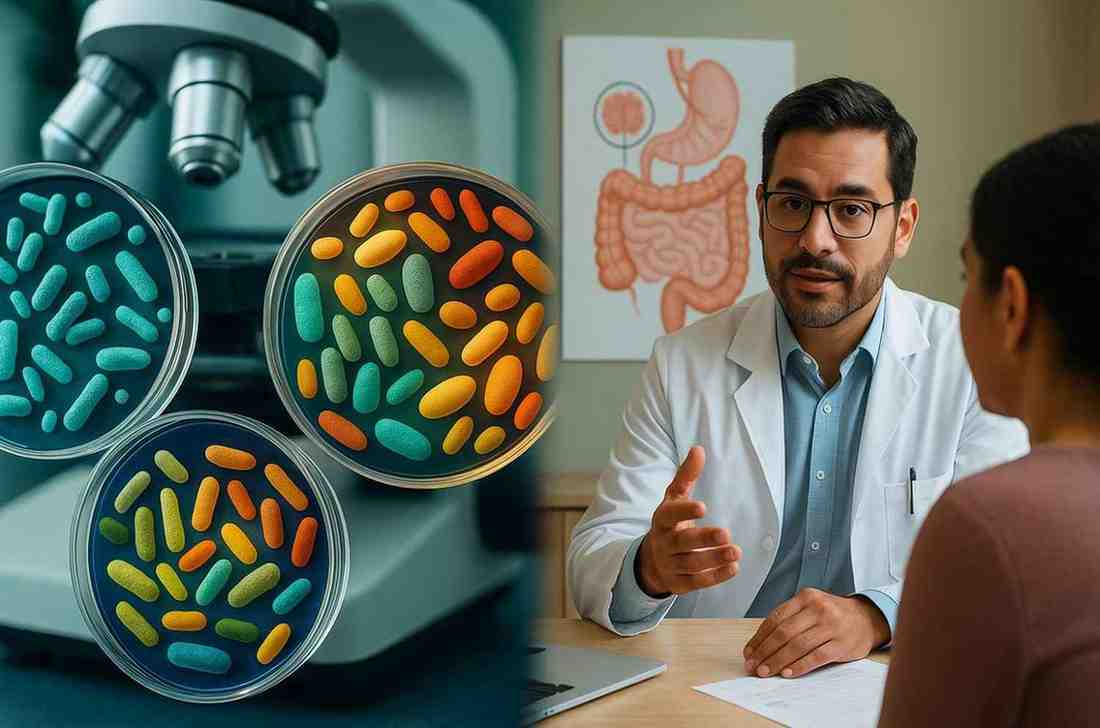
Gut Microbiome Transplants: A Novel Approach to Inflammatory Pain
Gut Microbiome Transplants: A Novel Approach to Inflammatory Pain
The human gut contains trillions of microorganisms—bacteria, fungi, viruses, and other microbes collectively called the gut microbiome—which we now understand play far more significant roles than simply digesting food. These microscopic inhabitants influence immune function, produce neurotransmitters, regulate inflammation, and communicate directly with the nervous system through what scientists call the "gut-brain axis." Emerging research reveals that disruptions to the gut microbiome (dysbiosis) contribute to various chronic pain conditions, particularly those with inflammatory components including fibromyalgia, inflammatory bowel disease-related pain, and some forms of arthritis. This has led to investigation of fecal microbiota transplantation (FMT)—transferring gut bacteria from healthy donors to patients—as a potential treatment for chronic inflammatory pain. At Pain Management Laredo, we're closely following this fascinating field, recognizing that microbiome modulation may eventually provide novel treatment options for Laredo, TX and Webb County patients with pain conditions that have inflammatory or immune system components.
Understanding the Gut Microbiome
The gut microbiome represents a complex ecosystem with profound effects on human health:
Microbiome Composition and Function
- Microbial Diversity: A healthy gut contains 500-1,000 different bacterial species with total microbial cell numbers exceeding human cells in the body by roughly 10 to 1, collectively weighing 1-2 kilograms.
- Metabolic Functions: Gut bacteria digest complex carbohydrates humans cannot break down, produce vitamins (K, B12, folate), synthesize short-chain fatty acids with anti-inflammatory properties, and metabolize bile acids affecting lipid absorption.
- Immune System Development: The microbiome trains the immune system from infancy, teaching it to distinguish harmful pathogens from harmless antigens—critical for preventing autoimmune conditions and allergies that can contribute to inflammatory pain.
- Barrier Function: Beneficial gut bacteria maintain intestinal barrier integrity, preventing "leaky gut" where bacterial products and inflammatory molecules enter the bloodstream and potentially trigger systemic inflammation and pain.
- Neurotransmitter Production: Gut bacteria produce or influence production of neurotransmitters including serotonin (95% of the body's serotonin is produced in the gut), dopamine, GABA, and others that regulate mood, pain perception, and brain function.
- Individual Variability: Each person's microbiome is unique, influenced by genetics, birth method (vaginal vs. cesarean), infant feeding, antibiotic exposure, diet, geography, and lifestyle—creating personalized microbial fingerprints.
The Gut-Brain-Immune Axis
- Vagus Nerve Communication: The vagus nerve provides direct neural connection between gut and brain, with 90% of fibers carrying information from gut to brain (not brain to gut), making the gut a major influence on brain function and pain processing.
- Immune Signaling: Gut bacteria and their metabolites influence immune cell function throughout the body, modulating inflammatory responses that contribute to chronic pain conditions from arthritis to fibromyalgia.
- Endocrine Pathways: Gut microbiota affect hormone production and metabolism, influencing stress responses (cortisol), appetite signals, and other hormonal systems that intersect with pain pathways.
- Microbial Metabolites: Short-chain fatty acids (butyrate, propionate, acetate) produced by gut bacteria have direct anti-inflammatory effects systemically and can cross the blood-brain barrier, affecting brain inflammation and potentially central sensitization.
- Lipopolysaccharide (LPS): Components of bacterial cell walls can trigger inflammatory responses when they leak through compromised intestinal barriers, contributing to systemic inflammation associated with chronic pain conditions.
Dysbiosis and Pain: The Research Connection
Growing evidence links disrupted gut microbiome composition to various chronic pain conditions:
Pain Conditions Associated with Dysbiosis
- Irritable Bowel Syndrome (IBS): The most established microbiome-pain connection, IBS patients consistently show altered gut bacterial composition with reduced diversity and shifts in specific bacterial populations correlating with pain severity.
- Inflammatory Bowel Disease: Crohn's disease and ulcerative colitis involve severe dysbiosis with loss of beneficial bacteria and overgrowth of inflammatory species, contributing to the debilitating abdominal pain characteristic of these conditions.
- Fibromyalgia: Recent studies reveal fibromyalgia patients have distinct gut microbiome signatures with reduced beneficial bacteria and increased inflammatory species, correlating with symptom severity including widespread pain.
- Rheumatoid Arthritis: Autoimmune arthritis shows strong associations with gut dysbiosis, with specific bacterial changes potentially triggering autoimmune responses that cause joint inflammation and pain.
- Chronic Widespread Pain: Population studies find people with chronic pain conditions have different microbiome compositions than healthy controls, with reduced bacterial diversity correlating with worse pain outcomes.
- Migraine: Emerging research suggests migraine sufferers have altered gut microbiomes with changes in bacteria that produce or metabolize compounds affecting neurological function and potentially triggering headaches.
Mechanisms Linking Microbiome to Pain
- Systemic Inflammation: Dysbiosis promotes low-grade systemic inflammation through increased intestinal permeability, bacterial translocation, and inflammatory cytokine production—inflammation that can sensitize pain pathways throughout the body.
- Central Sensitization: Inflammatory signals from dysbiotic gut reaching the central nervous system may contribute to central sensitization, where the nervous system becomes hyperresponsive to pain signals—a hallmark of fibromyalgia and chronic widespread pain.
- Neurotransmitter Imbalance: Disrupted gut bacteria produce abnormal amounts of neurotransmitters or their precursors, potentially affecting mood, sleep, and pain modulation—explaining why many chronic pain conditions co-occur with depression and anxiety.
- Altered Pain Thresholds: Animal studies show that transferring microbiomes from fibromyalgia patients to germ-free mice lowers the animals' pain thresholds, directly demonstrating that microbiome composition can affect pain sensitivity.
- Immune Dysregulation: Gut dysbiosis impairs immune system regulation, potentially triggering autoimmune conditions (rheumatoid arthritis, lupus) or autoinflammatory states that cause chronic pain.
Fecal Microbiota Transplantation (FMT)
FMT involves transferring fecal material containing gut bacteria from healthy donors to patients with dysbiosis:
FMT Procedure and Administration
- Donor Selection: Potential donors undergo extensive screening including detailed health questionnaires, physical examination, blood tests for infectious diseases (HIV, hepatitis, etc.), and comprehensive stool testing for pathogens, parasites, and antibiotic-resistant bacteria.
- Stool Processing: Donor stool is mixed with sterile saline, filtered to remove particulate matter, and prepared into standardized suspensions that can be administered to recipients—process conducted in specialized laboratories under strict quality control.
- Administration Routes: FMT can be delivered via colonoscopy (reaching colon directly), endoscopy (reaching upper GI tract), enema (lower colon only), or oral capsules (freeze-dried bacteria in acid-resistant pills)—each with different advantages for specific conditions.
- Single vs. Multiple Treatments: Some conditions respond to single FMT administration while others require repeated treatments or maintenance dosing to establish lasting microbiome changes.
- Standardized Products: Pharmaceutical companies are developing standardized FMT preparations with defined bacterial compositions, offering consistency and safety advantages over individual donor preparations used currently.
Proven Applications and Emerging Uses
- Recurrent C. difficile Infection: FMT is FDA-approved and highly effective (90%+ cure rates) for recurrent Clostridioides difficile infections unresponsive to antibiotics—the first mainstream clinical application of microbiome therapeutics.
- Inflammatory Bowel Disease: Clinical trials show promising results for ulcerative colitis (remission rates 30-40%), though Crohn's disease has shown more modest benefits—active research continues optimizing protocols.
- Irritable Bowel Syndrome: Multiple trials demonstrate FMT can reduce IBS symptoms including abdominal pain in 50-70% of patients, with effects lasting months after treatment—some clinics now offer FMT for refractory IBS.
- Metabolic Disorders: Experimental FMT applications for obesity, metabolic syndrome, and diabetes show mixed results, with some patients experiencing improvements in metabolic markers and weight.
- Neurological/Psychiatric Conditions: Early-stage trials investigating FMT for autism, Parkinson's disease, multiple sclerosis, and depression based on gut-brain axis connections—results preliminary but encouraging.
FMT for Chronic Pain Conditions
Application of FMT specifically for chronic pain represents an emerging area with limited but growing evidence:
Current Research and Case Reports
- IBS-Related Pain: Several randomized controlled trials show FMT reduces abdominal pain severity in IBS patients, with effects lasting 6-12 months after treatment—strongest evidence for FMT in pain management currently available.
- Fibromyalgia Studies: Small pilot studies investigating FMT for fibromyalgia show mixed results; some patients report reduced pain and fatigue while others show no response—larger trials needed to determine efficacy and identify responders.
- Rheumatoid Arthritis: Case series and small trials suggest FMT may reduce disease activity and pain in some rheumatoid arthritis patients, particularly those with gut symptoms or recent antibiotic exposure contributing to dysbiosis.
- Inflammatory Bowel Disease Pain: When FMT successfully induces remission in ulcerative colitis or Crohn's disease, associated pain typically improves, though whether FMT independently affects pain beyond treating underlying inflammation remains unclear.
- Chronic Widespread Pain: Anecdotal reports and small case series describe patients with chronic widespread pain experiencing improvement after FMT for other indications (like C. diff), but systematic pain-focused studies are lacking.
Hypothesized Mechanisms of Pain Relief
- Reduced Systemic Inflammation: Restoring healthy microbiome reduces inflammatory cytokine levels, potentially decreasing inflammation-mediated pain sensitization throughout the body.
- Improved Gut Barrier Function: Beneficial bacteria strengthen intestinal barrier integrity, reducing bacterial translocation and associated inflammatory responses that may contribute to chronic pain.
- Neurotransmitter Normalization: Healthy donor microbiome produces appropriate levels of neuroactive compounds, potentially correcting neurotransmitter imbalances affecting pain modulation and mood.
- Immune System Recalibration: FMT may help retrain overly aggressive immune responses in autoimmune or autoinflammatory pain conditions, reducing disease activity and associated pain.
- Short-Chain Fatty Acid Production: Healthy bacteria produce beneficial metabolites like butyrate with direct anti-inflammatory and neuromodulatory effects that may reduce pain at peripheral and central levels.
Other Microbiome Modulation Approaches
Beyond FMT, several strategies aim to optimize gut microbiome for pain management:
Probiotic Interventions
- Multi-Strain Probiotics: Supplements containing multiple beneficial bacterial strains (Lactobacillus, Bifidobacterium species) show modest benefits for IBS pain and may help inflammatory bowel disease and other conditions.
- Targeted Probiotic Selection: Research is identifying specific bacterial strains with particular benefits for pain—some strains show anti-inflammatory properties while others affect neurotransmitter production or immune function.
- Psychobiotics: Probiotic strains with demonstrated effects on brain function and mood (via gut-brain axis) may benefit chronic pain conditions where psychological factors and pain interact, like fibromyalgia.
- Spore-Based Probiotics: Bacterial spores survive stomach acid better than traditional probiotics, potentially colonizing the gut more effectively and providing more durable benefits.
- Limitations: Most probiotic effects are temporary (bacteria don't permanently colonize), require ongoing supplementation, and produce more modest improvements than FMT in most conditions.
Prebiotic and Dietary Approaches
- Prebiotic Fiber: Dietary fibers that selectively feed beneficial gut bacteria (inulin, fructooligosaccharides, resistant starch) can shift microbiome composition toward healthier profiles without introducing new bacteria.
- Anti-Inflammatory Diets: Mediterranean diet, plant-rich diets, and other anti-inflammatory dietary patterns promote beneficial gut bacteria while reducing inflammatory species—correlating with reduced chronic pain in population studies.
- Fermented Foods: Regular consumption of yogurt, kefir, sauerkraut, kimchi, and other fermented foods introduces beneficial bacteria and has been associated with reduced inflammation and improved gut health.
- Polyphenol-Rich Foods: Compounds in berries, green tea, coffee, and dark chocolate are metabolized by gut bacteria into anti-inflammatory metabolites that may reduce chronic pain.
- Elimination Diets: Removing foods that trigger dysbiosis or inflammation in susceptible individuals (varies by person) may improve gut health and reduce pain—commonly targeted foods include excessive sugar, artificial sweeteners, and highly processed foods.
Pharmaceutical Microbiome Modulation
- Fecal Microbiota Products: Pharmaceutical companies are developing standardized bacterial consortia with defined compositions as alternatives to donor-derived FMT, offering better quality control and consistency.
- Targeted Antibiotics: Specific antibiotics (like rifaximin for IBS) can selectively reduce problematic bacterial overgrowth while sparing beneficial species, improving gut health and reducing pain in appropriate conditions.
- Postbiotics: Products containing beneficial bacterial metabolites (short-chain fatty acids, specific peptides) rather than live bacteria may provide benefits with better shelf stability and safety profiles.
- Bacteriophage Therapy: Viruses that selectively kill specific bacterial species could precisely modify microbiome composition, removing pathogenic bacteria while preserving beneficial ones—experimental but promising approach.
Limitations and Risks of FMT
Despite promise, FMT carries important limitations and potential risks requiring careful consideration:
Safety Concerns
- Infection Transmission: Primary risk is transferring pathogens from donor to recipient; serious infections including antibiotic-resistant bacteria have occurred when screening was inadequate, with at least one reported death.
- Immune Reactions: Recipients may develop allergic or immune responses to donor microbiota, ranging from mild GI symptoms to more serious systemic reactions—particularly concern for patients with compromised immune systems.
- Long-Term Unknown Effects: FMT permanently or semi-permanently alters recipients' microbiomes; long-term consequences of these changes (10-20+ years) remain unknown, as FMT is relatively new therapy.
- Disease Transmission: Theoretical risk exists that microbiome-associated conditions (obesity, metabolic syndrome, autoimmune diseases) could be transmitted from donor to recipient if microbial contributions to these conditions are significant.
- GI Side Effects: Common short-term side effects include cramping, bloating, diarrhea, constipation, and nausea—typically mild and temporary but occasionally severe enough to require medical attention.
Practical and Scientific Limitations
- Variable Efficacy: Beyond C. difficile infection, FMT success rates are inconsistent with high responder variability—some patients experience dramatic benefits while others show no response, and we cannot reliably predict who will respond.
- Limited Availability: FMT for conditions beyond recurrent C. diff is considered experimental; few centers offer it for pain conditions, requiring travel to academic medical centers or specialized clinics often distant from Laredo.
- Insurance Coverage: Most insurers cover FMT only for recurrent C. difficile infection; experimental applications for pain conditions are typically not covered, leaving patients with $1,000-$5,000+ out-of-pocket costs.
- Donor Scarcity: Rigorous screening eliminates 90%+ of potential donors; stool bank supply can be limited, and some patients prefer related donors (family members) who may not pass screening.
- Durability Questions: How long FMT effects last varies widely; some patients need repeat treatments while others experience lasting changes—factors determining durability are poorly understood.
- Optimal Protocol Uncertainty: Best administration route, dose, frequency, and whether single or multiple treatments are optimal for pain conditions remain unknown, as systematic research is limited.
Access and Availability for Laredo Patients
For Laredo and Webb County patients interested in microbiome-based approaches to chronic pain:
Current Options
- FMT for Approved Indications: Laredo patients with recurrent C. difficile infection can access FMT through gastroenterologists locally or at regional medical centers—establishing care relationships should future pain applications become approved.
- Clinical Trial Participation: Pain Management Laredo can facilitate information about clinical trials investigating FMT or other microbiome interventions for chronic pain conditions, potentially enabling Laredo patients to access experimental treatments.
- Probiotics and Dietary Approaches: Evidence-based probiotic supplementation and anti-inflammatory dietary modifications are immediately accessible and carry minimal risk—reasonable approaches for patients interested in microbiome modulation.
- Comprehensive Gut Health Evaluation: For pain conditions with potential gut components (IBS, inflammatory bowel disease, fibromyalgia), we coordinate with gastroenterology for comprehensive evaluation and treatment of underlying GI issues.
- Academic Center Referral: For appropriate candidates with treatment-resistant inflammatory pain and documented dysbiosis, we can facilitate consultation at academic medical centers (Houston, San Antonio) with specialized FMT programs.
Future Considerations
- Expanding Applications: As evidence accumulates, FMT may receive FDA approval for additional conditions including IBS with significant pain—potentially making it more accessible for Laredo patients through routine GI care.
- Standardized Products: Pharmaceutical microbiome products in development may offer safer, more consistent alternatives to donor-based FMT with better insurance coverage and local availability.
- Precision Microbiome Medicine: Microbiome testing may eventually guide personalized probiotic or dietary recommendations specifically targeting each patient's dysbiosis patterns for optimal pain management.
- Integration with Pain Management: As microbiome-pain connections become clearer, comprehensive pain management will likely incorporate gut health assessment and microbiome optimization alongside traditional treatments.
Pain Management Laredo's Integrated Approach
Our perspective on microbiome interventions balances scientific interest with evidence-based current practice:
Current Practice
- Recognizing Gut-Pain Connections: We assess gut health in patients with chronic pain, particularly those with IBS, inflammatory bowel disease, fibromyalgia, or inflammatory arthritis, recognizing these connections may affect treatment approaches.
- Dietary Counseling: For appropriate patients, we discuss anti-inflammatory dietary approaches and their potential benefits for both gut health and pain management as part of comprehensive lifestyle-based pain treatment.
- Probiotic Recommendations: When evidence supports benefits, we may suggest high-quality probiotic supplements as adjuncts to conventional pain management—particularly for IBS-related pain and inflammatory conditions.
- GI Collaboration: We maintain close relationships with gastroenterologists serving Laredo, facilitating coordinated care when gut and pain issues overlap and ensuring comprehensive treatment of the whole patient.
- Conventional Treatments Remain Primary: While interested in microbiome research, we continue providing proven pain management interventions (medications, injections, physical therapy, behavioral approaches) as primary treatments.
Future Integration
- Monitoring Research: We closely follow FMT and microbiome research for pain conditions, ready to integrate these approaches when evidence demonstrates efficacy and safety for specific patient populations.
- Clinical Trial Support: As trials investigating microbiome interventions for chronic pain become available, we'll help identify appropriate Laredo patients who might benefit from participation.
- Personalized Approaches: If microbiome testing proves valuable for guiding pain treatment, we'll incorporate these assessments to optimize personalized pain management plans.
- Education and Expectations: We provide realistic information about microbiome-based treatments—neither dismissing their potential nor overselling uncertain benefits, helping patients make informed decisions.
The gut microbiome represents a fascinating frontier in pain medicine—a previously unrecognized contributor to chronic pain that may offer entirely novel treatment approaches. The discovery that microscopic inhabitants of our digestive tract can influence widespread pain, inflammation, and nervous system function throughout the body challenges traditional reductionist medical models and opens new therapeutic possibilities. For Laredo patients with inflammatory pain conditions, particularly those resistant to conventional treatments, microbiome-focused interventions may eventually provide meaningful relief.
While FMT and other microbiome therapies for chronic pain remain largely experimental, the science is advancing rapidly. The success of FMT for C. difficile infection and promising results for IBS pain demonstrate the clinical potential of microbiome modulation. As research continues and standardized pharmaceutical microbiome products emerge, these approaches will likely transition from experimental to mainstream over the coming years.
If you're experiencing chronic inflammatory pain in Laredo—particularly conditions like IBS, inflammatory bowel disease, fibromyalgia, or rheumatoid arthritis where gut-pain connections are increasingly recognized—contact Pain Management Laredo for comprehensive evaluation. We provide evidence-based multimodal pain management today while staying informed about emerging innovations like microbiome therapeutics that may enhance how we treat chronic pain tomorrow.