Medical Cannabis and CBD: Separating Fact from Fiction
Medical Cannabis and CBD: Separating Fact from Fiction in Pain Management
At Pain Management Laredo, we're committed to providing evidence-based information about all potential treatment options for chronic pain—including cannabis-based medicines. As these products become more accessible and discussions about their use become more common, it's essential to understand what the science actually shows about their effectiveness, safety, and appropriate use for pain conditions.
Understanding the Cannabis Plant and Its Components
Before discussing medical applications, it's important to understand the basics of cannabis and its active compounds:
- Cannabinoids: The cannabis plant contains over 100 different cannabinoids, which are compounds that interact with the body's endocannabinoid system. The most well-known are:
- THC (Delta-9-tetrahydrocannabinol): The primary psychoactive component that produces the "high" associated with cannabis use.
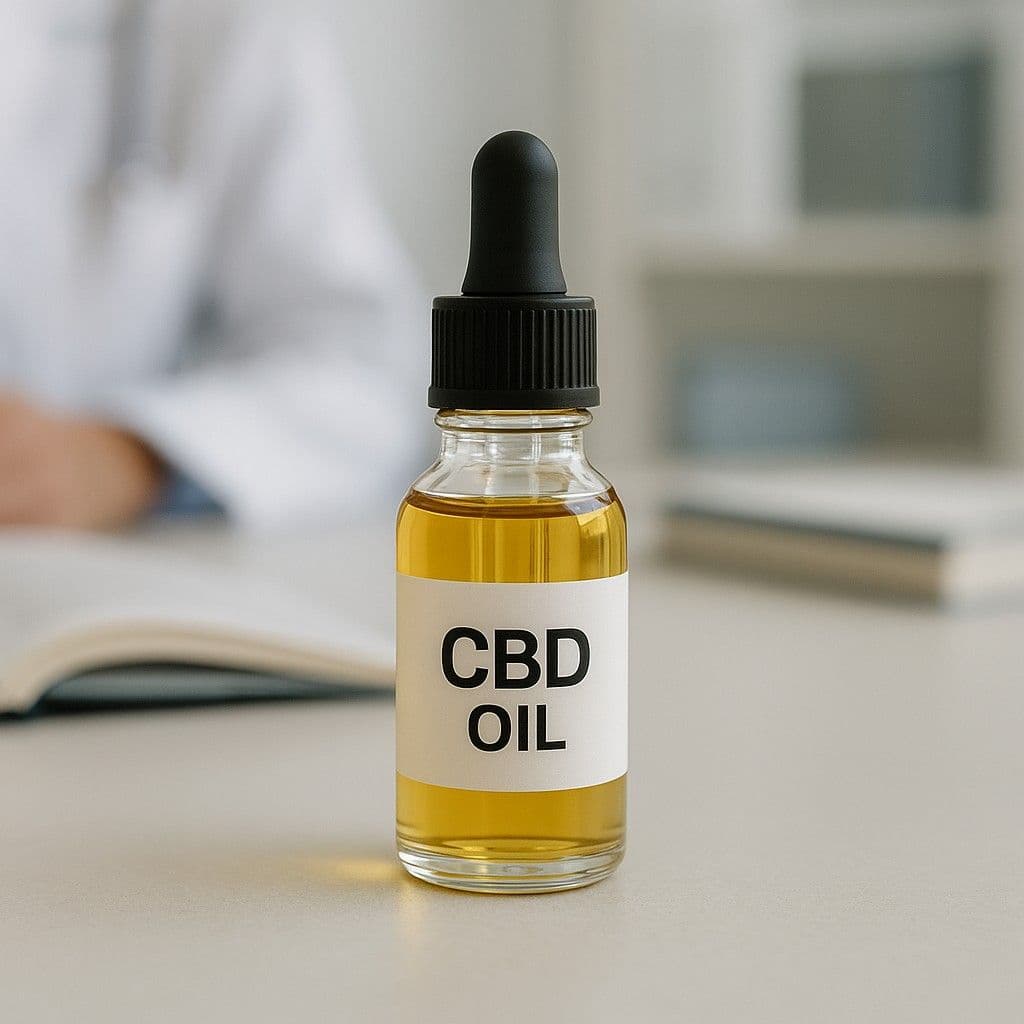
- CBD (Cannabidiol): Non-psychoactive component that doesn't produce intoxication but has potential therapeutic effects.
- Terpenes: Aromatic compounds that give cannabis its distinctive smell and may contribute to its effects through what's called the "entourage effect."
The Endocannabinoid System and Pain
To understand how cannabis-based medicines might affect pain, it's helpful to understand the body's own endocannabinoid system:
- Endogenous Cannabinoids: The body naturally produces compounds (endocannabinoids) such as anandamide and 2-AG that act on cannabinoid receptors.
- Cannabinoid Receptors: Primarily CB1 (concentrated in the brain and nervous system) and CB2 (found mainly in immune cells and peripheral tissues).
- Role in Pain Modulation: The endocannabinoid system helps regulate pain signaling at multiple levels, from peripheral nerves to the spinal cord and brain.
Plant cannabinoids (phytocannabinoids) like THC and CBD can interact with this system, potentially modulating pain signals and inflammatory processes.
Evidence for Cannabis and Cannabinoids in Pain Management
Strongest Evidence Areas
- Neuropathic Pain: Multiple randomized controlled trials suggest that cannabis products containing both THC and CBD may provide modest benefits for certain types of neuropathic pain, including diabetic neuropathy and HIV-associated neuropathy.
- Multiple Sclerosis-Related Pain: Nabiximols (Sativex), a balanced THC:CBD oral spray, has shown good evidence for MS-related pain and spasticity (though not currently FDA-approved in the US).
- Cancer Pain: Some evidence supports the use of cannabinoids as adjunctive therapy for patients with cancer pain inadequately controlled by opioids.
Moderate or Mixed Evidence
- Inflammatory Pain: Preclinical evidence is promising, but clinical trial data is more limited.
- Fibromyalgia: Some studies suggest benefits, but results are inconsistent and methodological quality varies.
- Headache and Migraine: Preliminary evidence suggests potential benefits, but high-quality trials are lacking.
Limited or Insufficient Evidence
- Acute Pain: Limited evidence suggests cannabinoids may not be effective for acute pain, and may even increase sensitivity in some cases.
- Osteoarthritis: Despite widespread use, clinical trial evidence is sparse.
- Low Back Pain: Despite being a common reason for medical cannabis use, high-quality evidence specifically for back pain is limited.
CBD-Specific Evidence
CBD has gained enormous popularity, but the evidence specifically for pain is still developing:
- Anti-inflammatory Effects: Laboratory and animal studies show CBD has anti-inflammatory properties that could theoretically help with pain.
- Clinical Pain Studies: Few high-quality clinical trials have examined isolated CBD for pain management, though some small studies suggest potential benefits.
It's worth noting that much of the existing research has methodological limitations, including small sample sizes, short duration, and variation in products and dosing, making definitive conclusions challenging.
Potential Benefits Beyond Pain Relief
For some pain patients, cannabis-based medicines may offer benefits beyond direct pain reduction:
- Sleep Improvement: THC-containing products may help with sleep disturbances that often accompany chronic pain.
- Anxiety Reduction: Some patients report reduced anxiety with certain cannabis formulations (though others may experience increased anxiety).
- Reduced Reliance on Other Medications: Some studies suggest cannabis use may allow reduction in doses of opioids, benzodiazepines, or other medications with significant side effect profiles.
Potential Risks and Side Effects
Short-term Side Effects
- THC-Related: Intoxication, impaired cognitive function and motor coordination, anxiety/paranoia (in some individuals), tachycardia, dry mouth, dizziness
- CBD-Related: Generally well-tolerated but may include fatigue, diarrhea, changes in appetite and weight, potential liver enzyme elevation at high doses
Long-term or Serious Concerns
- Cognitive Effects: Regular use of high-THC products may affect cognitive function, though reversibility after cessation is debated
- Dependency and Cannabis Use Disorder: Affects approximately 9% of users overall, with higher risk in those who begin use in adolescence
- Cardiovascular Risks: THC can increase heart rate and may pose risks for patients with pre-existing heart conditions
- Mental Health Concerns: Association with exacerbation of symptoms in those with certain psychiatric disorders; potential increased risk of psychosis in vulnerable individuals with high-THC products
Drug Interactions
Both THC and CBD can interact with other medications:
- CBD: Can inhibit certain liver enzymes (cytochrome P450) that metabolize many medications, potentially increasing blood levels of these drugs
- Medications with Significant Interaction Potential: Warfarin, certain anti-epileptic drugs, some psychiatric medications, and certain heart medications
Legal Status in Texas
Texas Compassionate Use Program (CUP)
- Eligible Conditions: As of 2023, the Texas Compassionate Use Program allows low-THC cannabis (up to 1% THC by weight) for certain conditions including:
- Epilepsy and other seizure disorders
- Multiple sclerosis
- Spasticity
- Amyotrophic lateral sclerosis (ALS)
- Autism
- Terminal cancer
- Incurable neurodegenerative diseases
- PTSD (for veterans only)
- Chronic Pain: Notably, chronic pain by itself is not currently a qualifying condition under the Texas program unless associated with one of the above conditions.
- Physician Requirements: Only physicians registered with the Compassionate Use Registry of Texas (CURT) can prescribe low-THC cannabis.
Hemp-Derived CBD Products
- Legal Status: Following the 2018 Farm Bill and subsequent Texas legislation, hemp-derived CBD products containing less than 0.3% THC are legal in Texas.
- Regulatory Oversight: Limited regulation means quality, purity, and potency can vary significantly between products.
CBD Products: Navigating the Market
Types of CBD Products
- Full-Spectrum: Contains all cannabinoids naturally found in the cannabis plant, including trace amounts of THC (less than 0.3% in legal hemp-derived products)
- Broad-Spectrum: Contains multiple cannabinoids but with THC removed
- CBD Isolate: Contains only CBD, with no other cannabinoids
Product Quality Concerns
- FDA Regulation: The FDA has not evaluated most CBD products for safety or efficacy, and has found many products do not contain the amount of CBD they claim
- Contaminants: Some products may contain pesticides, heavy metals, or microbial contaminants
- THC Content: Some products may contain more THC than legally allowed or indicated on the label
Selecting Higher-Quality Products
For patients who choose to try CBD products, these steps may help identify better quality options:
- Look for products tested by independent third-party laboratories
- Request certificates of analysis (COAs) showing cannabinoid content and screening for contaminants
- Choose products from companies that provide clear information about sourcing and manufacturing processes
Clinical Considerations for Cannabis-Based Medicines
Product Selection and Dosing
While standardized guidelines are limited, some principles include:
- THC:CBD Ratio: Higher CBD to THC ratios may be appropriate for patients who want to minimize psychoactive effects
- Start Low, Go Slow: Beginning with very low doses and gradually titrating up reduces adverse effects
- Route of Administration: Inhaled products have faster onset but shorter duration; oral products have slower onset but longer effects
Monitoring and Follow-up
Regular monitoring should include:
- Assessment of pain relief and functional improvement
- Evaluation of side effects
- Screening for problematic use patterns
- Monitoring of other medication use
The Perspective from Pain Management Laredo
At our practice, we take a balanced, evidence-based approach to cannabis-based medicines:
- Individualized Assessment: We evaluate each patient's specific pain condition, medical history, and previous treatment responses to determine if cannabis-based approaches might be appropriate.
- Integration with Comprehensive Care: We view cannabis-based medicines as potential components of a broader pain management strategy, not as standalone treatments.
- Harm Reduction: For patients already using cannabis for pain, we provide education about safer use practices and potential interactions with other medications.
- Realistic Expectations: We help patients understand what current evidence suggests about effectiveness for their specific condition.
Conclusion: Making Informed Decisions
Cannabis and CBD products represent an area of significant interest for many patients with chronic pain, particularly those who have not found adequate relief from conventional treatments. However, the evidence supporting their use varies by condition, and legal and quality considerations create additional complexity.
At Pain Management Laredo, we believe in patient-centered care based on the best available evidence. For some patients, carefully selected and monitored cannabis-based approaches may be a reasonable component of a comprehensive pain management strategy. For others, the potential risks may outweigh the benefits, or other approaches may be more appropriate.
We encourage patients interested in these options to have open, honest discussions with their healthcare providers rather than self-medicating without medical oversight. Through collaborative decision-making and ongoing monitoring, we can help ensure that treatment choices align with each patient's specific needs, values, and circumstances.
Remember that the field is rapidly evolving, with new research emerging regularly. What we know today about medical cannabis and CBD may change as more high-quality studies are completed, making ongoing communication with healthcare providers essential for staying informed about the latest evidence.