
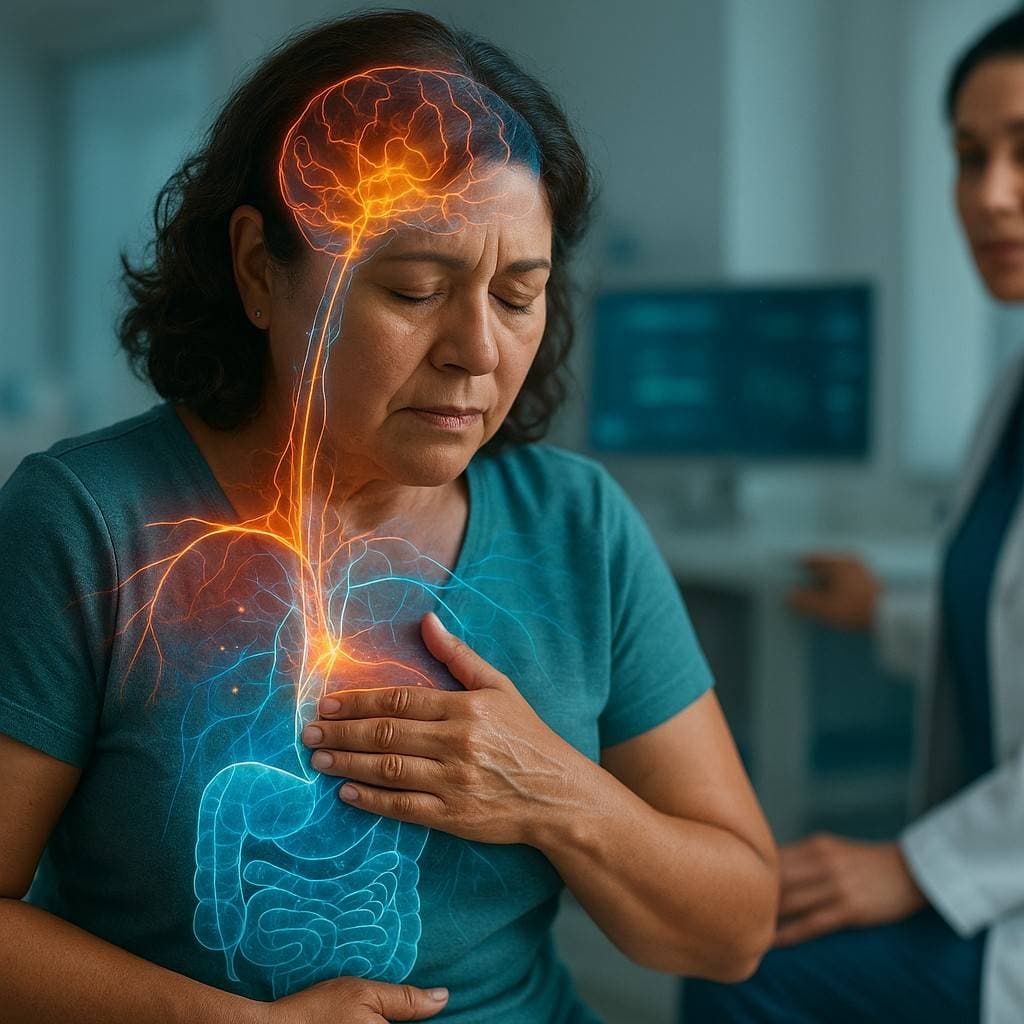
Psychogenic Pain: Addressing the Mind-Body Connection
Psychogenic Pain: Unraveling the Complex Mind-Body Connection in Pain Perception
At Pain Management Laredo, we recognize that pain is a multidimensional experience that extends far beyond physical sensations. Psychogenic pain represents a profound intersection of psychological processes and physical experiences, challenging traditional understanding of pain as purely a physiological phenomenon.
Defining Psychogenic Pain
Psychogenic pain, now more accurately termed "pain with significant psychological contributions," is a complex condition where psychological factors play a crucial role in pain generation, perception, and maintenance.
Key Characteristics
- No Clear Physical Pathology
- Strong Psychological Influence
- Significant Impact on Quality of Life
- Neurobiologically Validated Mechanism
The Neurobiological Basis of Psychogenic Pain
Modern neuroscience has revealed the intricate connections between psychological states and pain perception:
Neurological Mechanisms
- Neural Pathway Sensitization
- Chronic stress alters pain processing circuits
- Increased neural plasticity
- Neurotransmitter Dysregulation
- Altered serotonin and dopamine levels
- Impact on pain modulation systems
- Stress Response Activation
- Hypothalamic-Pituitary-Adrenal (HPA) Axis Involvement
- Cortisol and inflammatory responses
Psychological Factors Influencing Pain
Critical psychological components that contribute to pain experience:
Cognitive Processes
- Catastrophizing
- Negative Pain Beliefs
- Hypervigilance
- Learned Pain Responses
Emotional Influences
- Anxiety
- Depression
- Trauma History
- Emotional Suppression
Diagnostic Approach at Pain Management Laredo
Our comprehensive assessment includes:
Multidimensional Evaluation
- Comprehensive Medical History
- Physical examination
- Detailed psychological assessment
- Psychological Screening
- Standardized pain perception tests
- Emotional and cognitive evaluations
- Neurological Assessment
- Advanced neuroimaging
- Functional pain mapping
Holistic Treatment Strategies
Our integrative approach addresses multiple dimensions of psychogenic pain:
1. Psychological Interventions
- Cognitive Behavioral Therapy (CBT)
- Reframing pain narratives
- Developing coping strategies
- Acceptance and Commitment Therapy (ACT)
- Mindfulness techniques
- Value-based living
- Trauma-Informed Care
- Processing underlying emotional experiences
- Healing psychological wounds
2. Mind-Body Techniques
- Mindfulness Meditation
- Biofeedback
- Progressive Muscle Relaxation
- Guided Imagery
3. Somatic Experiencing
- Body-Centered Therapies
- Trauma Release Exercises
- Somatic Awareness Training
4. Pharmacological Support
- Targeted Psychiatric Medications
- Antidepressants
- Anxiety management
- Pain Modulation Medications
- Nerve stabilizers
- Mood regulators
Advanced Treatment Technologies
Cutting-edge approaches in psychogenic pain management:
- Neurofeedback
- Brain wave regulation
- Neuroplasticity enhancement
- Virtual Reality Therapy
- Pain perception retraining
- Immersive healing experiences
- Transcranial Magnetic Stimulation (TMS)
- Neural pathway recalibration
- Mood and pain modulation
Lifestyle and Holistic Interventions
Comprehensive strategies for managing psychogenic pain:
Lifestyle Modifications
- Sleep Optimization
- Nutrition for Mental Health
- Regular Physical Activity
- Stress Management Techniques
Complementary Approaches
- Acupuncture
- Massage Therapy
- Art and Music Therapy
- Group Support Programs
Patient Empowerment and Education
Key focus areas for patient support:
- Understanding Pain Mechanisms
- Developing Self-Management Skills
- Building Emotional Resilience
- Creating Supportive Networks
Emerging Research and Future Directions
Promising developments in psychogenic pain research:
- Precision Psychological Interventions
- Advanced Neuroimaging Techniques
- Personalized Treatment Algorithms
- Integrative Neuroscience Approaches
Conclusion
Psychogenic pain represents a complex interplay of psychological and physiological processes. At Pain Management Laredo, we are committed to providing compassionate, comprehensive care that addresses the multifaceted nature of pain.
If you're experiencing persistent pain with significant psychological components, our specialized team can help you develop a personalized strategy for healing and recovery. Contact our Laredo pain specialists to begin your journey towards understanding and managing your pain experience.