
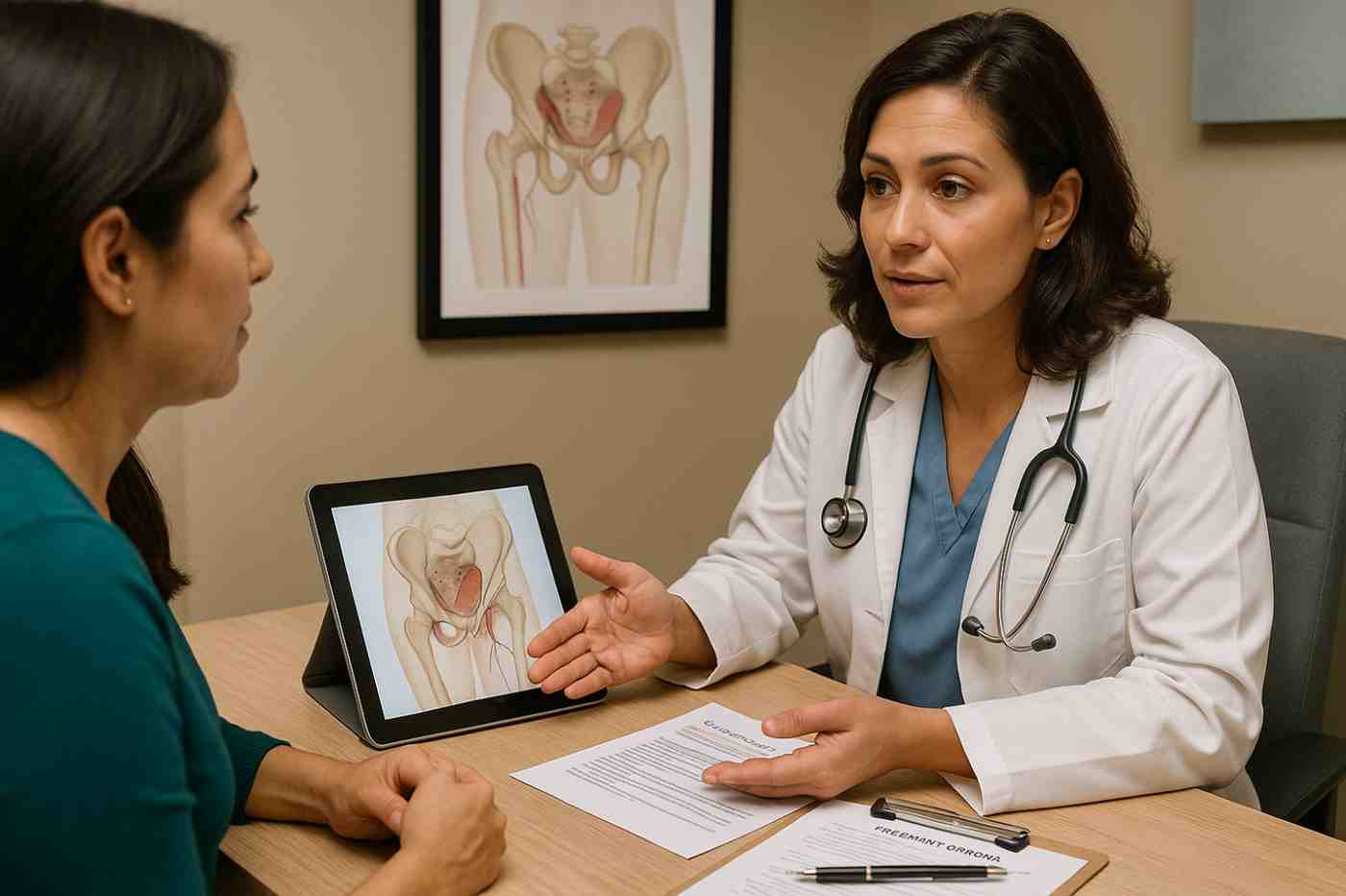
Pudendal Neuralgia: Diagnosis Challenges and Nerve Blocks
Understanding Pudendal Neuralgia: A Hidden Pelvic Pain Condition
Pudendal neuralgia represents a chronic pain condition affecting the pudendal nerve in the pelvic region—a diagnosis that remains frequently missed or delayed among Laredo residents despite causing significant disability affecting South Texas populations. The pudendal nerve, originating from the sacral spinal cord, travels through the pelvic region providing sensation to the genitals, anus, and perineum (area between genitals and anus) while also supplying motor function to pelvic floor muscles. When this nerve becomes compressed, irritated, or inflamed affecting Webb County residents, resulting pain can be severe and debilitating, often described as burning, aching, or stabbing sensations localized to pelvic and genital regions. This comprehensive guide explores pudendal neuralgia's diagnostic challenges, explains how nerve blocks serve both diagnostic and therapeutic functions, and details the comprehensive management strategies available to Laredo residents.
Pudendal neuralgia disproportionately affects women in Laredo, though men also develop this condition at lower rates—often with delayed diagnosis due to gender-specific symptom presentations affecting South Texas residents. The condition's intimate anatomical location sometimes creates communication barriers for Webb County patients experiencing embarrassment discussing symptoms with healthcare providers. This stigma, combined with pudendal neuralgia's rarity causing unfamiliarity among generalist clinicians in Laredo, contributes to diagnostic delays sometimes extending years before appropriate diagnosis at South Texas pain clinics. Understanding this condition and advocacy for specialized evaluation proves essential for affected residents seeking relief.
Anatomy and Nerve Compression: Why Pudendal Neuralgia Develops in South Texas
Pudendal Nerve Pathway and Vulnerable Compression Points
The pudendal nerve follows a complex pathway through the pelvic region, creating multiple potential compression points affecting Laredo residents. Originating from sacral nerve roots (S2, S3, S4), the pudendal nerve travels through the pelvis, passes through the greater sciatic foramen, exits the pelvis, and re-enters through the lesser sciatic foramen—eventually reaching pelvic structures affecting Webb County patients. This circuitous course creates vulnerability: at each anatomical transition point, the nerve faces potential compression from muscles, ligaments, scar tissue, or structures in South Texas residents.
Pudendal nerve entrapment—compression at specific anatomical narrowing points—represents the primary mechanism causing pudendal neuralgia in most Laredo residents. The most common compression point involves the pudendal nerve at the ischial spine (bony projection in the pelvis) affecting Webb County residents. At this location, tight ligaments can compress the nerve, particularly affecting South Texas residents during prolonged sitting, a common occupational exposure. Other compression sites include the sacrospinous ligament and obturator internus muscle affecting Laredo residents, creating opportunities for nerve entrapment at multiple levels potentially affecting one or both sides of the pelvic region.
Risk Factors for Pudendal Neuralgia Development
Prolonged sitting represents one of the most significant risk factors affecting Laredo residents—occupational or recreational sitting for extended periods increases nerve compression risk at Webb County pain clinics. Cycling, particularly road cycling with narrow seats, frequently triggers pudendal neuralgia in South Texas residents. Childbirth trauma can damage or compress the pudendal nerve affecting Laredo women. Pelvic floor dysfunction, where pelvic floor muscles become chronically tightened and dysfunctional, contributes to nerve compression in some Webb County residents. Previous pelvic surgeries, including hysterectomy or prostate procedures, create scar tissue that may compress the pudendal nerve affecting South Texas residents at Laredo pain clinics.
Clinical Presentation: Recognizing Pudendal Neuralgia Symptoms
Pain Characteristics and Distribution Patterns
Pudendal neuralgia pain presents with distinctive characteristics helping differentiate it from other pelvic conditions affecting Laredo residents at Webb County clinics. Pain typically localizes to the distribution of the pudendal nerve—genitals, perineum, anus, and rectum in both men and women at South Texas facilities. Women in Laredo may describe vulvar pain, pain with intercourse (dyspareunia), or anal pain affecting their quality of life. Men with pudendal neuralgia in Webb County report penile, scrotal, or anal pain, sometimes affecting ability to sit comfortably or have sexual intercourse. Many South Texas residents describe pain as burning, aching, or a sensation of foreign body pressure affecting their daily activities in Laredo.
Pain characteristically worsens with prolonged sitting—patients in Laredo report being able to stand comfortably for hours but developing severe pain after brief sitting periods. Sitting on soft surfaces may prove less painful than hard chairs for Webb County residents. Walking often provides relief, a distinctive pattern differentiating pudendal neuralgia from many other conditions affecting South Texas residents. Sexual activity frequently triggers or exacerbates pain in Laredo residents with pudendal neuralgia, creating significant relationship and quality of life impacts.
Associated Symptoms and Functional Impacts
Urinary symptoms commonly accompany pudendal neuralgia in both men and women at Laredo pain clinics, with frequency, urgency, and dysuria (painful urination) affecting Webb County residents. Bowel symptoms including painful bowel movements or constipation result from pudendal nerve involvement affecting South Texas residents. Sexual dysfunction—erectile dysfunction in men and dyspareunia in women—frequently accompanies pudendal neuralgia in Laredo residents. Pelvic floor dysfunction develops in many residents with pudendal neuralgia, creating a vicious cycle where tight pelvic muscles compress the nerve further at Webb County clinics affecting South Texas residents.
Diagnostic Challenges in South Texas: Why Pudendal Neuralgia Remains Underdiagnosed
Rarity Leading to Unfamiliarity Among Clinicians
Pudendal neuralgia remains rare enough that many Laredo healthcare providers have limited clinical experience recognizing or managing it, contributing to diagnostic delays affecting Webb County residents. Patients may undergo extensive urological, gynecological, and gastrointestinal workups for symptoms actually reflecting pudendal neuralgia affecting South Texas patients. This diagnostic odyssey frustrates Laredo residents, leading to multiple specialist evaluations before accurate diagnosis at Laredo pain clinics. Education among generalist providers about pudendal neuralgia recognition and appropriate specialist referral improves diagnostic timeliness for Webb County residents.
Overlapping Symptom Presentations
Pudendal neuralgia symptoms overlap significantly with other pelvic conditions affecting Laredo residents—urinary tract infections, irritable bowel syndrome, endometriosis in women, and prostatitis in men—creating diagnostic confusion at Webb County clinics. Careful history taking distinguishing pudendal neuralgia from these alternative conditions proves essential for South Texas providers. Key distinguishing features include pain's relationship to sitting, absence of infectious findings despite UTI-like symptoms in Laredo residents, and normalization of imaging and urological findings affecting Webb County patients.
Lack of Specific Diagnostic Tests
No specific blood test, imaging study, or electrodiagnostic test definitively confirms pudendal neuralgia in Laredo residents, complicating diagnosis at Webb County pain clinics. EMG/NCS testing, which effectively diagnoses other nerve entrapment conditions affecting South Texas residents, shows limited sensitivity for pudendal neuralgia. This diagnostic gap makes experienced clinical evaluation crucial—specialists in Laredo skilled in recognizing pudendal neuralgia through careful history and physical examination remain essential for accurate diagnosis affecting Laredo residents.
Pudendal Nerve Blocks: Diagnostic and Therapeutic Applications
Nerve Block Procedure and Technical Considerations
Pudendal nerve blocks represent both diagnostic and therapeutic procedures benefiting Laredo residents at Webb County pain clinics. During the procedure, a pain specialist, typically using ultrasound or fluoroscopic guidance, advances a needle into the pelvic region to locate the pudendal nerve affecting South Texas residents. The ischial spine serves as a bony landmark, with the pudendal nerve located medial to this landmark in Laredo patients. Once the needle tip reaches proximity to the nerve, the clinician injects local anesthetic with or without steroid medication affecting Webb County residents.
The procedure typically takes 15-30 minutes at South Texas pain clinics, performed in outpatient settings allowing Laredo residents to return home afterward. Mild discomfort during needle advancement proves unavoidable, but most residents tolerate the procedure well with sedation support at Webb County facilities. Results become apparent within minutes as the local anesthetic takes effect, with improvement in pain and symptom relief affecting South Texas residents during the procedure itself.
Diagnostic Value of Pudendal Nerve Blocks
Pudendal nerve blocks serve crucial diagnostic purposes for Laredo residents with suspected pudendal neuralgia at Webb County pain clinics. If patients experience greater than 50% pain reduction lasting at least 8-24 hours following diagnostic block with local anesthetic only, this result strongly suggests pudendal nerve involvement causing their pain affecting South Texas residents. This diagnostic confirmation guides treatment decisions—patients with confirmed pudendal involvement become candidates for therapeutic blocks with longer-acting steroids or advanced procedures affecting Laredo residents' management at Webb County clinics.
Interestingly, some South Texas residents experience dramatic pain relief lasting far longer than the local anesthetic duration would suggest—pain relief lasting days to weeks following a 2-hour anesthetic window. This extended relief, observed in certain Laredo residents, may reflect psychological factors or nerve inflammation reduction occurring independently of anesthetic duration at Webb County facilities.
Therapeutic Pudendal Nerve Blocks
Following diagnostic confirmation, therapeutic pudendal nerve blocks incorporate steroid medication providing extended anti-inflammatory effects affecting Laredo residents. Corticosteroid injection into tissue around the pudendal nerve reduces inflammation compressing the nerve in Webb County patients. Relief from therapeutic blocks typically lasts weeks to months for South Texas residents, with many Laredo residents undergoing repeated blocks every 3-6 months as part of ongoing management at Webb County pain clinics. Multiple repeated blocks show cumulative benefit for some residents, with progressive pain reduction and increased relief duration affecting their South Texas treatment outcomes.
Comprehensive Management Beyond Nerve Blocks
Physical Therapy and Pelvic Floor Rehabilitation
Physical therapy, particularly pelvic floor physical therapy, plays a crucial role in pudendal neuralgia management for Laredo residents at Webb County pain clinics. Specialized physical therapists trained in pelvic floor dysfunction help South Texas residents relax chronically tight pelvic muscles contributing to nerve compression. Manual therapy, stretching protocols, and relaxation techniques help reduce muscle tension affecting Laredo residents' pain and improve nerve decompression over time affecting Webb County outcomes.
Behavioral modifications provide essential complementary management for South Texas residents. Modifying sitting patterns—standing frequently, using specialized cushions reducing pelvic pressure in Laredo residents, and cycling ergonomics adjustment—helps prevent worsening of pudendal neuralgia affecting Webb County patients. Activity pacing, learning to balance work demands with adequate standing breaks, proves crucial for South Texas residents with occupational sitting requirements affecting their Laredo pain management success.
Medication Management and Psychological Support
Medications targeting neuropathic pain provide symptomatic relief for many Laredo residents with pudendal neuralgia at Webb County pain clinics. Gabapentin and pregabalin address abnormal nerve activity causing pain affecting South Texas residents. Tricyclic antidepressants benefit certain Laredo patients, providing pain relief and addressing depression frequently accompanying chronic pelvic pain. However, medications alone rarely resolve pudendal neuralgia, requiring combination approaches affecting Webb County residents' comprehensive management.
Psychological support proves essential for Laredo residents managing the profound impact pudendal neuralgia creates on sexual function, relationships, and quality of life. Depression and anxiety commonly accompany this condition affecting South Texas residents at Webb County clinics. Cognitive behavioral therapy helps Laredo residents develop coping strategies and reframe negative thoughts about pain and sexual dysfunction affecting their relationships. For South Texas residents in Laredo whose pudendal neuralgia significantly affects intimate relationships, couples counseling provides valuable support affecting long-term quality of life.
Practical Management for Laredo Residents
If you experience chronic pelvic or genital pain, particularly pain worsening with sitting or affecting sexual function, seek evaluation from healthcare providers familiar with pudendal neuralgia at Webb County pain clinics. Describe your symptoms clearly, noting pain's relationship to sitting and activities affecting South Texas residents. Request referral to a pain specialist experienced in pudendal neuralgia diagnosis and nerve block procedures if your primary care provider cannot address this specialized condition affecting Laredo residents.
For those diagnosed with pudendal neuralgia in Laredo, comprehensive management including physical therapy, behavioral modifications, and nerve blocks offers real pain relief and quality of life improvement affecting Webb County residents. Do not accept the diagnosis passively—advocate for appropriate treatment and seek specialized care when needed. Many South Texas residents successfully manage pudendal neuralgia through multidisciplinary approaches restoring sexual function, reducing pain, and improving daily activities affecting their Laredo lives.
Conclusion: Relief and Recovery Are Possible
Pudendal neuralgia represents a challenging condition whose rarity can delay diagnosis but whose recognition by specialized clinicians offers pathways to relief for Laredo residents. Pudendal nerve blocks—both diagnostic and therapeutic—represent excellent management tools available at South Texas pain clinics. Combined with physical therapy, behavioral modifications, and psychological support, many Webb County residents achieve meaningful pain reduction and quality of life restoration affecting their Laredo lives. Seek specialized evaluation and comprehensive management—relief is achievable for pudendal neuralgia sufferers in South Texas.