
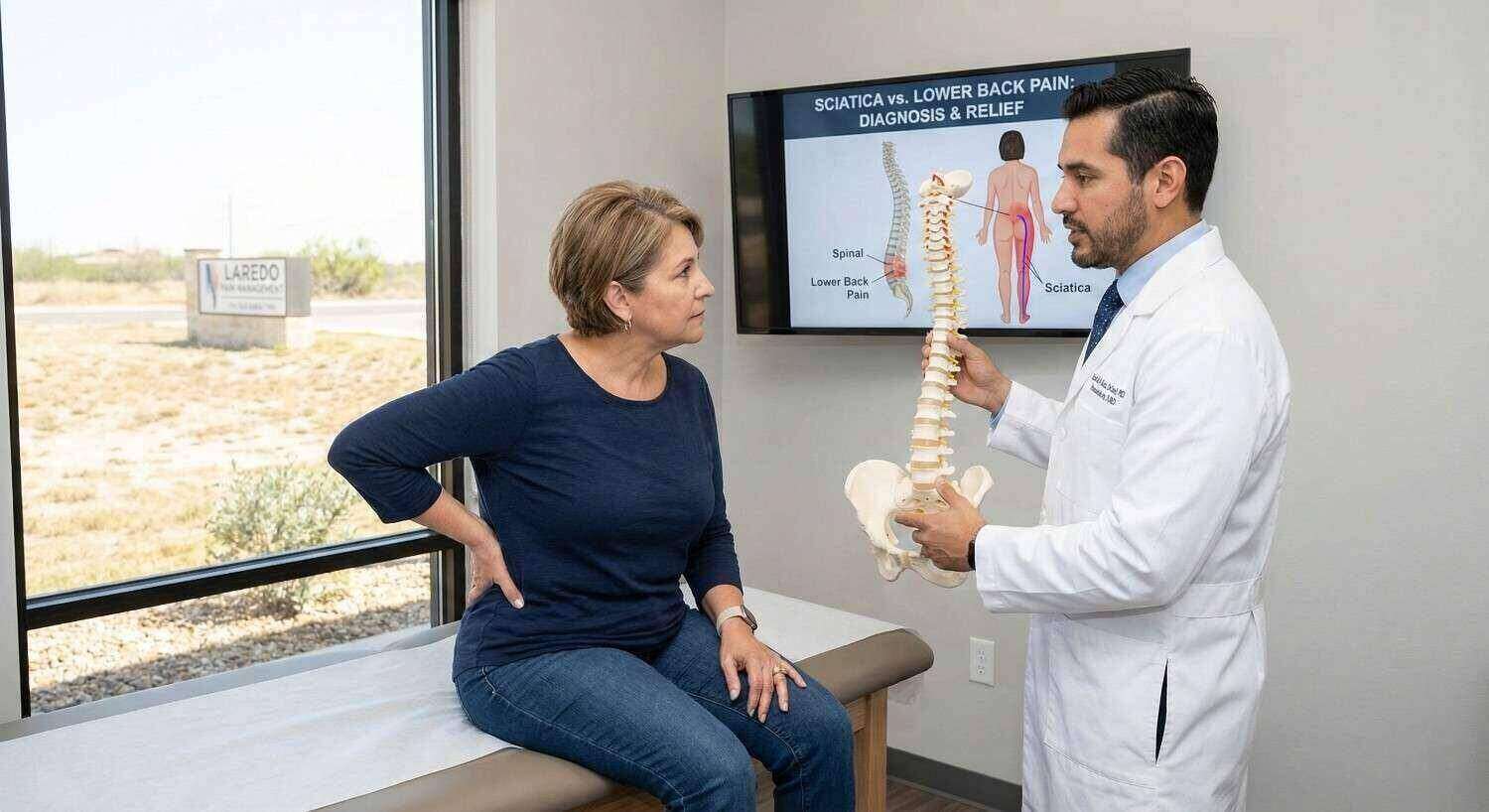
Sciatica vs Lower Back Pain: The Key Difference in Laredo, Texas
Introduction
Do you have pain in your back? Does it hurt when you sit or stand? Many people in Laredo, Texas feel this pain every day. Some have back pain. Some have sciatica. These two types of pain are not the same. Knowing which one you have helps you get better faster. This guide will teach you the difference. You will learn what causes each type of pain. You will learn how to tell them apart. You will also learn how to treat them. Let's start by understanding what sciatica really is.
sciatica
Sciatica is not a disease. It is a symptom. The word "sciatica" means pain that comes from your sciatic nerve. Your sciatic nerve is the biggest nerve in your whole body. It is as thick as your thumb. This nerve starts in your lower back. It runs through your buttock. Then it goes down the back of your leg. It reaches all the way to your foot. When something presses on this nerve, you feel pain. The pain follows the path of the nerve. This is why sciatica pain goes down your leg.
Many things can press on the sciatic nerve. A disc in your spine might bulge out. A bone might have a sharp point called a spur. A muscle might get too tight. Sometimes the space around your nerve gets narrow. All of these things squeeze the nerve. When the nerve is squeezed, it sends pain signals to your brain. You feel this as sharp, shooting pain.
Sciatica usually affects one side of your body. If your left nerve is squeezed, your left leg hurts. If your right nerve is squeezed, your right leg hurts. It is rare for both sides to hurt at the same time. The pain might be mild at first. It might come and go. But if you ignore it, the pain can get worse. Some people also feel numbness. Their leg might feel weak. Their foot might tingle like it is asleep.
In Laredo, many people get sciatica from their work. Sitting in a truck all day can cause it. Lifting heavy boxes the wrong way can cause it. Even standing for many hours can put pressure on your nerve. The good news is that most sciatica gets better with treatment. You do not always need surgery. Simple treatments like stretching and therapy work for most people. But first, you need to know if you really have sciatica or just regular back pain.
pain
Pain is your body's alarm system. When something is wrong, your body sends you a pain signal. This signal tells you to stop and pay attention. Pain can be sharp or dull. It can be quick or long-lasting. It can hurt a little or a lot. Everyone feels pain differently. What hurts a lot for one person might not hurt much for another person. But all pain is real. Your brain decides how much something hurts based on many things.
There are two main types of pain. The first type is acute pain. This pain starts suddenly. It might happen when you lift something heavy. It might happen when you fall. Acute pain is your body saying "stop doing that right now." This type of pain usually goes away in a few days or weeks. The second type is chronic pain. This pain lasts a long time. It stays for three months or more. Chronic pain can last for years. It is harder to treat than acute pain.
Pain can come from different parts of your body. It can come from your muscles. Muscle pain feels sore and achy. It might feel tight or stiff. Pain can come from your bones. Bone pain feels deep and constant. Pain can also come from your nerves. Nerve pain is different. It feels sharp, burning, or shooting. It might feel like an electric shock. Sciatica is a type of nerve pain. It has its own special feeling that is different from muscle pain.
Your brain can make pain feel worse. If you are stressed, pain hurts more. If you are scared, pain hurts more. If you are sad or worried, pain hurts more. This is why managing stress helps with pain. Good sleep also helps. When you sleep well, your body heals better. Pain feels less intense. Exercise helps too. Moving your body makes it stronger. Strong bodies handle pain better than weak bodies.
In South Texas, the heat can affect pain. Hot weather makes some people hurt more. Others feel better in the heat. Cold air conditioning can make muscles tight. This causes more pain. Staying hydrated is important. Water keeps your discs healthy. Dehydration makes pain worse. If you have pain in Laredo, think about these factors. Small changes in your daily life can make a big difference in how much you hurt.
back
Your back is a complex structure. It has many parts that all work together. The main part is your spine. Your spine is made of small bones stacked on top of each other. These bones are called vertebrae. You have 33 vertebrae in total. The lower part of your spine is called the lumbar spine. This is where most back pain happens. Your lumbar spine has five bones. These five bones carry most of your body weight. This is why they get hurt more often than other parts.
Between each bone is a cushion called a disc. These discs are soft on the inside and tough on the outside. They act like shock absorbers. When you jump, run, or lift, your discs protect your bones. They keep the bones from grinding against each other. As you get older, your discs can dry out. They can crack or bulge. When a disc bulges out, it can press on a nerve. This causes pain.
Your back also has many muscles. These muscles hold your spine in place. They help you stand up straight. They let you bend, twist, and turn. When your muscles are strong, they support your spine well. When your muscles are weak or tight, your spine does not get good support. This leads to pain. Weak core muscles are a common cause of back pain. Your core includes your stomach muscles and your back muscles. A strong core protects your spine.
Ligaments connect your bones to each other. They are like strong rubber bands. They keep your spine stable. Tendons connect your muscles to your bones. All of these parts must work together for your back to feel good. If one part is injured, it affects all the other parts. This is why back pain can be so complicated. The pain might start in one place but spread to other areas.
Your spine also protects your spinal cord. The spinal cord is like a thick cable. It runs through the center of your spine. It carries messages from your brain to the rest of your body. When you want to move your leg, your brain sends a signal through your spinal cord. The signal goes down to your leg muscles. Then your leg moves. If your spinal cord gets damaged, you can lose feeling or movement. This is very serious. Most back pain does not involve the spinal cord. But severe injuries can affect it.
Taking care of your back is important. Good posture helps. Standing and sitting up straight takes pressure off your spine. Lifting correctly protects your back. Always bend your knees when you lift. Keep the heavy object close to your body. Do not twist while you lift. These simple rules prevent many back injuries. In Laredo, where many people do physical work, protecting your back is essential for a long, healthy life.
back pain
Back pain is one of the most common health problems. Almost everyone will have back pain at some point in their life. In fact, eight out of ten people will experience it. Back pain can happen to anyone. It affects young people and old people. It affects people who exercise and people who do not. It affects people with desk jobs and people with physical jobs. No one is completely safe from back pain.
There are many causes of back pain. Muscle strain is the most common cause. This happens when you use your muscles too much or in the wrong way. You might lift something too heavy. You might twist suddenly. You might stay in one position for too long. All of these can strain your muscles. The muscles get tiny tears. They swell up. This causes pain. Muscle strain usually feels like a dull ache. The area might feel tender when you touch it.
Poor posture causes a lot of back pain. When you slouch, your spine is not aligned correctly. This puts extra stress on your muscles and discs. Over time, this stress adds up. It causes chronic pain. Many people in Laredo who work at desks have posture-related pain. Sitting hunched over a computer for hours every day slowly damages your back. The good news is that improving your posture can reduce this pain.
Injuries also cause back pain. A car accident can hurt your back. A fall can injure your spine. Sports injuries are common too. Even a minor injury can cause pain that lasts for weeks. Some injuries heal on their own with rest. Others need medical treatment. If your back pain started after an accident or injury, you should see a doctor. Do not wait too long to get help.
Age-related changes cause back pain too. As you get older, your discs lose water. They become thinner and less flexible. Your bones might develop arthritis. The spaces between your vertebrae might get narrower. All of these changes are normal parts of aging. But they can cause pain. This is why older adults have more back pain than younger people.
Being overweight puts extra stress on your back. Every extra pound you carry adds pressure to your spine. If you are 20 pounds overweight, your spine feels like it is carrying an extra 20-pound weight all day long. Losing weight can significantly reduce back pain. Even losing just 10 pounds can help. Eating healthy foods and staying active keeps your weight in a healthy range.
Some medical conditions cause back pain. Kidney infections can cause pain in your lower back. Osteoporosis makes your bones weak and easy to break. Spinal stenosis is when the spaces in your spine get too narrow. These conditions need medical treatment. If your back pain is severe or does not improve, see a doctor. They can run tests to find out what is causing your pain.
Most back pain is not serious. It might hurt a lot, but it usually gets better on its own. About 90% of back pain goes away within six weeks. The key is to stay active. Rest for a day or two if you need to. But then start moving again. Gentle activity helps your back heal faster than staying in bed. Walk around your neighborhood. Do gentle stretches. Keep your muscles moving. This prevents stiffness and speeds up healing.
difference
The difference between sciatica and general back pain is very important. If you know which type you have, you can treat it correctly. Treatment that works for muscle pain might not work for nerve pain. Treatment that works for sciatica might be too much for simple back pain. Understanding the difference saves you time, money, and unnecessary pain. Let's look at the key differences that help you tell them apart.
The first difference is where you feel the pain. General back pain stays in your back. It might hurt in your lower back near your waist. It might hurt between your shoulder blades. It might hurt on one side or both sides. But the pain stays in your back area. It does not travel far from your spine. Sciatica is different. Sciatica pain starts in your back but it does not stay there. It travels down your leg. The pain follows the path of the sciatic nerve. It goes from your lower back through your buttock. Then it goes down the back of your thigh. It can reach your calf and even your foot. This traveling pain is the biggest clue that you have sciatica.
The second difference is what the pain feels like. General back pain usually feels dull and achy. It might feel like a tight muscle. It might feel sore, like you exercised too hard. The pain might throb or pulse. It is usually a steady, constant feeling. Sciatica feels very different. Sciatica pain is sharp and shooting. Many people describe it as an electric shock. Others say it burns. Some say it feels like a hot knife stabbing down their leg. The pain can be sudden and intense. It might come in waves. This sharp, shooting quality is a sign of nerve pain, not muscle pain.
The third difference is what makes the pain worse. General back pain often gets worse when you move. Bending over might hurt. Lifting something might hurt. Twisting might hurt. But sitting still usually feels okay or even better. Sciatica is the opposite. Sciatica gets worse when you sit. Sitting puts more pressure on the sciatic nerve. Many people with sciatica cannot sit for more than a few minutes without pain. They feel better when they stand up and walk around. They might feel better lying down. This pattern of pain is a strong sign of sciatica.
The fourth difference is other symptoms that come with the pain. General back pain usually comes alone. You feel pain, and that is it. Your muscles might feel tight. The area might be tender. But you do not get other strange feelings. Sciatica comes with extra symptoms. You might feel numbness in your leg. Your toes might tingle. Your leg might feel weak. You might have trouble lifting your foot. Some people say their leg feels heavy or like it is not their own leg. These nerve symptoms do not happen with regular back pain. They are signs that a nerve is being squeezed.
The fifth difference is which side hurts. General back pain can affect both sides of your back at the same time. You might have pain across your whole lower back. Or you might have pain that moves from side to side. Sciatica almost always affects just one side. If your right sciatic nerve is compressed, only your right leg hurts. Your left side feels fine. If your left nerve is the problem, only your left leg hurts. It is very rare to have sciatica on both sides at the same time. This one-sided pattern is a clear sign of sciatica.
Another difference is how long the pain lasts. General back pain often comes and goes quickly. You might wake up with a stiff back. By the afternoon, you feel better. Or you might hurt your back lifting something. A few days of rest and ice make it better. Sciatica tends to last longer. The pain might persist for weeks or even months if not treated. It might start mild and slowly get worse over time. Some people have sciatica that comes and goes for years. This chronic, recurring pattern is more common with sciatica than with simple muscle strain.
The cause is also different. General back pain usually comes from muscles, ligaments, or joints. You strained a muscle. You pulled a ligament. You have arthritis in your joints. These are structural problems in your back itself. Sciatica has a specific cause related to nerve compression. Something is pressing on your sciatic nerve. This might be a herniated disc. It might be a bone spur. It might be spinal stenosis. It might be a tight muscle called the piriformis. The cause is always something that squeezes the nerve. This is why the treatments are different.
Understanding these differences helps you describe your pain to a doctor. When you go to a clinic in Laredo, the doctor will ask you questions. Where does it hurt? What does it feel like? When does it hurt more? Does the pain travel? These questions help the doctor tell if you have sciatica or general back pain. Be honest and specific. The more details you give, the better your doctor can help you. Getting the right diagnosis is the first step to getting the right treatment and feeling better.