
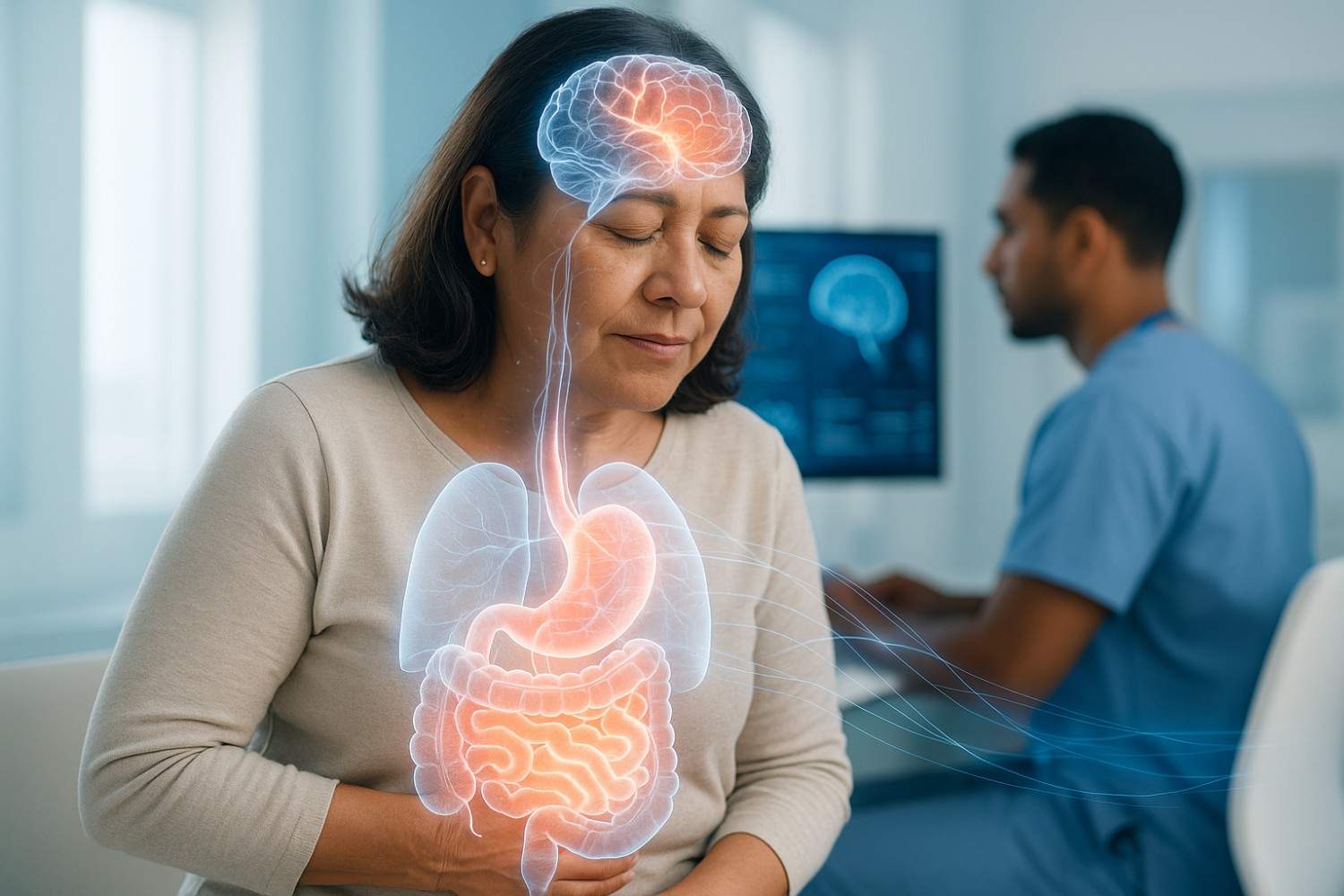
The Gut-Brain Axis: How Digestive Health Influences Chronic Pain
The Gut-Brain Axis: Unraveling the Complex Connection Between Digestive Health and Chronic Pain
At Pain Management Laredo, we are at the forefront of understanding the intricate relationship between gut health and chronic pain. The gut-brain axis represents a groundbreaking area of medical research that is revolutionizing our approach to pain management, offering new insights into how our digestive system profoundly influences pain perception and overall health.
Understanding the Gut-Brain Axis
The gut-brain axis is a bidirectional communication network that connects the central nervous system with the enteric nervous system, linking emotional and cognitive centers of the brain with peripheral intestinal functions. This complex system involves:
Key Components of the Gut-Brain Communication
- Microbiome: Trillions of microorganisms residing in the digestive tract, including over 1,000 species of bacteria, fungi, viruses, and other microbes that form a complex ecosystem in the gastrointestinal tract.
- Vagus Nerve: Primary communication highway between gut and brain, transmitting signals in both directions and serving as the main component of the parasympathetic nervous system that oversees numerous digestive functions.
- Neurotransmitters: Chemical messengers produced in the gut that affect brain function, mood, and pain perception. The gut produces more than 30 different neurotransmitters, including 95% of the body's serotonin.
- Inflammatory Markers: Immune system signals that impact pain perception, including cytokines and other inflammatory mediators that communicate between the gut and central nervous system.
The Microbiome's Role in Pain Perception
Recent scientific research has revealed that the gut microbiome plays a crucial role in modulating pain. The composition and diversity of our gut bacteria directly influence how we experience and process pain signals throughout the body.
Microbiome Mechanisms Affecting Pain
- Neurotransmitter Production
- Gut bacteria produce up to 95% of the body's serotonin, a key neurotransmitter involved in mood regulation and pain perception
- Directly influences pain threshold and mood regulation by affecting the levels of gamma-aminobutyric acid (GABA), norepinephrine, dopamine, and other neurotransmitters
- Bacterial metabolites serve as precursors for these neurotransmitters, with certain bacterial strains specializing in producing specific compounds
- Inflammatory Response
- Microbiome composition impacts systemic inflammation through regulation of pro-inflammatory and anti-inflammatory cytokines
- Chronic inflammation is a key contributor to pain conditions, with dysbiosis (microbial imbalance) often leading to increased inflammatory markers
- Lipopolysaccharides (LPS) from certain bacteria can trigger inflammation when they leak through a compromised intestinal barrier
- Short-chain fatty acids (SCFAs) produced by beneficial bacteria help maintain gut barrier integrity and reduce inflammation
- Immune System Modulation
- Gut bacteria help regulate immune responses through interactions with gut-associated lymphoid tissue (GALT)
- Impacts autoimmune and inflammatory pain conditions by influencing T-cell differentiation and cytokine production
- Trained immunity - where immune cells "remember" past exposures - can be programmed by the microbiome
- Regulatory T cells, influenced by microbiome composition, play a critical role in preventing excessive inflammation
- Intestinal Permeability Regulation
- "Leaky gut" can allow bacterial components and toxins to enter circulation, triggering systemic inflammation
- Tight junction proteins that control intestinal barrier function are influenced by specific bacterial species
- Increased intestinal permeability has been associated with various chronic pain conditions
Chronic Pain and Gut Health: The Scientific Connection
Research has demonstrated clear links between gut health and various chronic pain conditions. At Pain Management Laredo, we recognize these connections and incorporate gut health assessments into our comprehensive pain evaluations.
Specific Pain Conditions Influenced by Gut Health
- Fibromyalgia: Studies show altered gut microbiome composition in fibromyalgia patients, with reduced diversity and altered levels of specific bacterial species. These changes correlate with pain severity and symptom intensity.
- Irritable Bowel Syndrome (IBS): A bidirectional relationship exists, with IBS often triggering widespread pain sensitivity through central sensitization mechanisms. The gut-brain interaction is particularly evident in this condition.
- Rheumatoid Arthritis: Certain gut bacteria have been implicated in triggering and maintaining joint inflammation, with studies showing distinct microbiome patterns in RA patients compared to healthy controls.
- Migraine: Gut dysbiosis has been linked to increased frequency and severity of migraines, with evidence suggesting that certain probiotic interventions may reduce migraine attacks.
- Neuropathic Pain: Emerging research indicates that gut microbiome composition can influence nerve sensitivity and pain processing at the spinal cord level.
- Low Back Pain: New studies suggest connections between gut permeability, systemic inflammation, and persistent low back pain, particularly in cases with disc degeneration.
Diagnostic Approaches at Pain Management Laredo
Our comprehensive approach includes specialized testing and assessment of the gut-brain axis as part of our pain management protocol:
Gut-Brain Axis Assessment
- Comprehensive Microbiome Testing
- Detailed analysis of gut bacterial composition using advanced sequencing techniques
- Identification of inflammatory markers and potential pathogenic species
- Assessment of microbial diversity and beneficial bacterial populations
- Functional analysis of microbial metabolites and their potential impact on pain pathways
- Nutritional Evaluation
- Assessment of diet's impact on gut health through detailed dietary analysis
- Identification of potential dietary triggers through elimination protocols and food sensitivity testing
- Evaluation of nutrient deficiencies that may contribute to gut dysfunction and pain
- Analysis of eating patterns and food quality that affect microbiome health
- Inflammatory Marker Screening
- Blood tests to measure systemic inflammation, including C-reactive protein, erythrocyte sedimentation rate, and specific cytokines
- Hormone and neurotransmitter level analysis to identify imbalances related to gut function
- Intestinal permeability assessment through zonulin and other biomarkers
- Screening for autoimmune markers that may indicate gut-triggered immune dysregulation
- Functional GI Assessment
- Evaluation of digestive function and efficiency
- Assessment of gut motility and transit time
- Screening for small intestinal bacterial overgrowth (SIBO) when indicated
- Analysis of digestive enzyme production and effectiveness
Integrative Treatment Strategies
Our multimodal approach addresses gut-brain axis health through personalized interventions designed to optimize this critical communication system:
1. Nutritional Interventions
- Anti-Inflammatory Diet
- Rich in omega-3 fatty acids from sources like wild-caught fish, flaxseeds, and walnuts
- Emphasizes whole foods, particularly a wide variety of colorful vegetables and fruits
- Reduces processed food intake, refined sugars, and pro-inflammatory oils
- Incorporates anti-inflammatory spices such as turmeric, ginger, and cinnamon
- Probiotic and Prebiotic Strategies
- Targeted probiotic supplementation based on individual microbiome analysis
- Prebiotic-rich food recommendations to nourish beneficial bacteria
- Supports beneficial gut bacteria through fermented foods like kimchi, sauerkraut, and kefir
- Rotation of probiotic strains to promote microbial diversity
- Elimination Protocols
- Targeted elimination of potential trigger foods identified through testing
- Structured reintroduction to identify specific sensitivities
- Low FODMAP approaches when appropriate for sensitive individuals
- Gluten and dairy elimination trials for selected patients
2. Lifestyle Modifications
- Stress Management Techniques
- Meditation practices specifically targeting the gut-brain connection
- Yoga postures designed to improve digestive function and reduce stress
- Deep breathing exercises to activate the parasympathetic nervous system
- Mindfulness-based stress reduction programs
- Sleep Optimization
- Consistent sleep schedule to support healthy circadian rhythms
- Sleep hygiene improvements to enhance quality and duration
- Addressing sleep disorders that may impact gut health
- Evening relaxation routines to prepare the gut-brain axis for rest
- Regular Exercise
- Moderate, consistent physical activity tailored to individual abilities
- Supports gut microbiome diversity through multiple physiological pathways
- Emphasis on enjoyable activities to ensure sustainability
- Graduated exercise programs for those with significant pain limitations
3. Supplementation Protocols
- Targeted Supplements
- Omega-3 fatty acids in therapeutic dosages to reduce neuroinflammation
- Curcumin with enhanced bioavailability for systemic anti-inflammatory effects
- Glutamine to support intestinal barrier integrity and healing
- Zinc to support immune function and intestinal repair
- Vitamin D optimization for immune regulation and pain modulation
- Specialized enzymes to improve digestion and reduce inflammatory triggers
4. Psychological Support
- Cognitive Behavioral Therapy with protocols specifically addressing the gut-brain connection
- Stress Reduction Techniques focusing on the physiological stress response
- Mind-Body Interventions that recognize and utilize the bidirectional nature of gut-brain communication
- Gut-directed hypnotherapy for selected conditions with strong psychosomatic components
Practical Strategies for Gut-Brain Health
Daily recommendations for patients that we provide at Pain Management Laredo:
- Dietary Recommendations
- Consume fermented foods daily, rotating between different types for maximum benefit
- Increase fiber intake gradually to 25-35g daily from diverse plant sources
- Stay hydrated with clean, filtered water (approximately 64-80oz daily)
- Limit processed foods and sugar that promote inflammatory gut bacteria
- Include polyphenol-rich foods like berries, olive oil, and green tea
- Stress Management
- Practice daily mindfulness, even if just for 5-10 minutes
- Engage in regular physical activity appropriate to your condition
- Maintain consistent sleep patterns with 7-9 hours of quality sleep
- Consider vagus nerve stimulation techniques like gargling, singing, or cold exposure
- Schedule regular time for activities that bring joy and relaxation
- Supplementation Guidance
- Consult with healthcare providers for personalized recommendations
- Consider regular microbiome testing to track improvements
- Use personalized supplement protocols based on testing results
- Implement cyclic approaches to probiotic supplementation
- Monitor for changes in symptoms and adjust accordingly
Patient Success Stories from Laredo
At Pain Management Laredo, we've witnessed remarkable improvements in patients who have addressed their gut-brain axis as part of their pain management plan:
- Case Study: Maria's Fibromyalgia Transformation: A 45-year-old woman with severe fibromyalgia experienced a 60% reduction in pain scores after three months of targeted gut healing protocols, including specialized testing that identified specific bacterial imbalances and food sensitivities.
- Case Study: Carlos's Migraine Relief: A 38-year-old man with chronic migraines saw his attack frequency decrease from 15 to 3 per month after implementing our comprehensive gut-brain program, which included elimination of trigger foods and restoration of healthy gut flora.
Emerging Research and Future Directions
Exciting developments in gut-brain axis research that we're monitoring include:
- Personalized Microbiome Therapies: Customized interventions based on individual microbiome profiles, targeting specific bacterial strains for optimization.
- Advanced Probiotic Formulations: Next-generation probiotics designed to target specific pain pathways and neuroinflammatory processes.
- Precision Nutrition Approaches: AI-driven dietary recommendations based on microbiome analysis, genetic factors, and pain patterns.
- Microbiome-Targeted Pain Interventions: Specialized treatments that directly modulate gut bacteria to influence pain processing in the central nervous system.
- Fecal Microbiota Transplantation (FMT): Emerging research on FMT for chronic pain conditions, particularly those with autoimmune components.
- Psychobiotics: Specific bacterial strains that produce neuroactive compounds with direct effects on pain and mood regulation.
Conclusion
The gut-brain axis represents a paradigm shift in understanding chronic pain. At Pain Management Laredo, we are committed to providing cutting-edge, holistic approaches that address the complex interactions between digestive health and pain perception.
If you're struggling with chronic pain and want to explore innovative, comprehensive treatment options, contact our Laredo pain specialists. Together, we can develop a personalized strategy that addresses your unique health needs and supports your journey to improved well-being.
By addressing the fundamental connection between gut health and pain perception, we can often achieve breakthroughs for patients who haven't responded to conventional treatments alone. This integrative approach represents the future of pain medicine—one that recognizes the interconnectedness of all body systems and leverages these connections for healing.