
The Pain Management Treatment Spectrum: Finding Your Optimal Approach
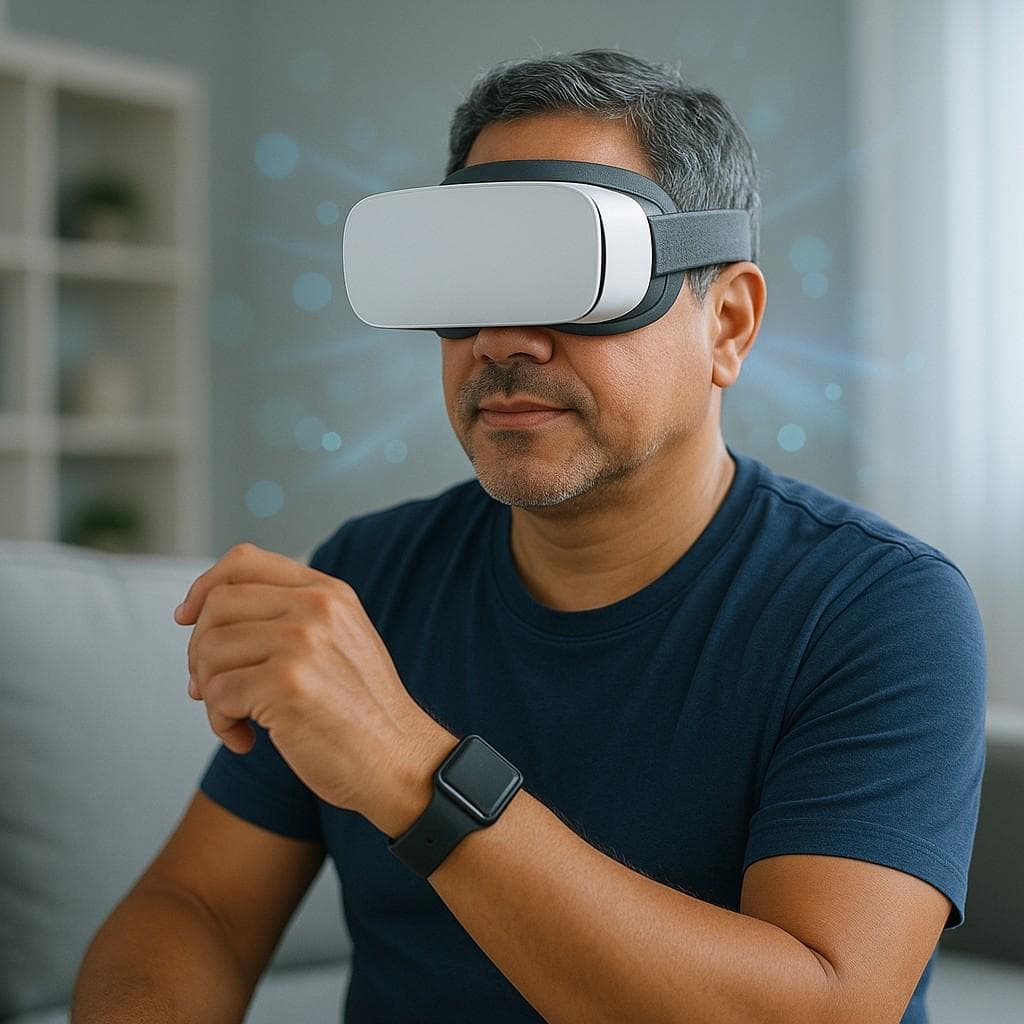
Emerging Technologies in Pain Management: Virtual Reality, Apps, and Wearables in Laredo
The landscape of pain management is evolving rapidly as innovative technologies transform how we understand, assess, and treat pain. At Pain Management Laredo, we're committed to integrating evidence-based technological solutions alongside traditional approaches to provide our patients with comprehensive, cutting-edge pain care. From immersive virtual reality experiences to sophisticated mobile applications and wearable devices, these emerging technologies offer new possibilities for pain relief, self-management, and improved quality of life.
Virtual Reality: Beyond Distraction to Neural Retraining
Virtual reality (VR) has emerged as one of the most promising technological interventions for pain management, with applications extending far beyond simple distraction.
How VR Works for Pain Relief
Virtual reality's effectiveness involves multiple mechanisms:
- Attention Modulation: VR creates immersive environments that effectively compete with pain for attentional resources in the brain, reducing the perceived intensity of pain signals.
- Neuroplasticity Effects: Regular VR sessions can actually retrain neural pathways involved in pain processing, creating lasting changes in how the brain interprets pain signals.
- Emotional Regulation: Specially designed VR environments trigger positive emotional states that activate natural pain-inhibiting systems in the brain.
- Cortical Activation: VR experiences stimulate brain regions that can inhibit pain transmission at the spinal cord level through descending pain control systems.
- Embodiment and Presence: The sense of being physically present in the virtual world engages multisensory brain regions, creating powerful analgesic effects that simple distraction cannot achieve.
These sophisticated mechanisms explain why VR has shown remarkable efficacy for our Laredo patients dealing with various pain conditions.
Clinical Applications of VR for Pain
At Pain Management Laredo, we utilize VR technology for several specific applications:
- Acute Procedural Pain: VR provides powerful distraction during procedures like injections, wound care, and catheter placements, significantly reducing patient discomfort and anxiety.
- Chronic Pain Management: Specialized VR programs deliver multiweek protocols designed to retrain the brain's pain processing systems, creating lasting benefits for conditions like fibromyalgia, complex regional pain syndrome, and chronic back pain.
- Physical Rehabilitation: VR environments make physical therapy more engaging and effective by gamifying exercises, providing real-time feedback, and creating the perception of enhanced movement capability through visual manipulation.
- Relaxation and Stress Reduction: Guided meditation and relaxation experiences in VR help patients activate parasympathetic nervous system responses that naturally dampen pain signals.
- Exposure Therapy: For patients with movement-related fear and anxiety, VR provides safe opportunities to gradually confront avoided movements and rebuild confidence.
These applications demonstrate VR's versatility across different pain conditions and treatment contexts.
Evidence for VR's Effectiveness
The scientific support for VR in pain management continues to grow:
- Acute Pain Studies: Multiple randomized controlled trials show VR reducing pain during procedures by 30-50% compared to standard care, with particularly strong evidence for burn wound care, venipuncture, and dental procedures.
- Chronic Pain Research: Recent studies demonstrate that multi-session VR therapy protocols can produce clinically meaningful reductions in pain that persist for months after treatment completion, with some FDA-approved VR systems specifically for chronic lower back pain.
- Neuroimaging Confirmation: fMRI studies visualize VR's effects on brain activity, showing reduced activation in pain-processing regions and increased activity in descending pain control centers.
- Comparison Studies: Research comparing VR to traditional distraction techniques shows superior pain reduction with VR, particularly for severe pain.
- Psychological Benefits: Beyond pain reduction, studies document improvements in mood, anxiety, and perceived control over pain following VR interventions.
This robust evidence base informs our clinical implementation of VR technology at Pain Management Laredo.
Types of VR Pain Applications
Different VR approaches target specific pain management needs:
- Immersive Distraction Environments: Highly engaging virtual worlds like snowy landscapes ("SnowWorld"), underwater experiences, and nature settings that powerfully redirect attention away from pain.
- Therapeutic Games: Interactive games specifically designed to promote movement, relaxation, or cognitive skills that counter pain's effects, such as breathing control games for relaxation or movement-based challenges that improve function.
- Virtual Graded Exposure: Simulations that allow patients to gradually confront feared movements or activities in a safe, controlled environment, reducing fear-avoidance behaviors that perpetuate disability.
- Biofeedback-Enhanced VR: Systems that incorporate physiological measures (heart rate, muscle tension, skin conductance) to provide real-time feedback in the virtual environment, helping patients develop self-regulation skills.
- Mirror Visual Feedback: VR adaptations of mirror therapy that create visual illusions of normal, pain-free movement, particularly useful for phantom limb pain, CRPS, and post-stroke pain.
For our Laredo patients, we select the most appropriate VR approach based on their specific pain condition, treatment goals, and individual preferences.
Practical Considerations for VR Implementation
While powerful, VR requires careful implementation:
- Motion Sensitivity: We screen for and address potential motion sickness, which affects approximately 20% of users, with appropriate system selection and gradual exposure protocols.
- Patient Selection: Not all patients are suitable candidates for VR therapy. We consider factors like claustrophobia, severe anxiety, active psychosis, and certain visual or vestibular conditions in our assessment process.
- Hardware Options: VR systems range from hospital-grade devices to consumer headsets to simple smartphone-based viewers. We guide patients toward appropriate options based on their needs and resources.
- Infection Control: Critical in clinical settings, we implement rigorous sanitization protocols for all VR equipment, especially important in the post-COVID era.
- Treatment Protocols: We establish clear guidelines for session duration, frequency, and progression to maximize therapeutic benefits while preventing habituation or side effects.
These practical considerations ensure that our Laredo patients have safe, effective experiences with VR technology.
Mobile Applications: Putting Pain Management in Patients' Hands
The explosive growth of health-related mobile applications has created unprecedented opportunities for pain self-management, extending care beyond clinic walls and into patients' daily lives.
Categories of Pain Management Apps
The pain app landscape includes several specialized types:
- Comprehensive Pain Self-Management Platforms: All-in-one applications that combine multiple approaches including education, symptom tracking, guided exercises, and psychological techniques.
- Cognitive Behavioral Therapy (CBT) Apps: Digital adaptations of evidence-based psychological approaches for pain, teaching skills like cognitive restructuring, relaxation techniques, and activity pacing.
- Mindfulness and Meditation Apps: Programs offering guided practices specifically designed for pain conditions, helping patients develop non-judgmental awareness and acceptance of sensations.
- Movement and Exercise Guides: Applications providing customized physical activity programs with video demonstrations, progress tracking, and adaptive difficulty based on patient feedback.
- Pain Tracking and Diary Apps: Digital tools for recording pain levels, triggers, treatments, and outcomes, often generating reports that enhance communication with healthcare providers.
Our Laredo pain specialists help patients select applications that complement their treatment plans and individual needs.
Evidence-Based Mobile Applications
We prioritize apps with scientific validation:
- Clinically Validated Programs: Several pain management applications have now been tested in randomized controlled trials, showing meaningful improvements in pain intensity, physical function, and psychological well-being.
- FDA-Cleared Digital Therapeutics: A growing category of prescription digital treatments that have undergone rigorous testing and received regulatory clearance specifically for pain conditions.
- Research-Informed Design: Applications developed based on established pain management principles and behavioral change theories, even if the specific app hasn't undergone clinical trials.
- Transparent Evidence Claims: We look for applications that clearly communicate the scientific basis for their approach and avoid those making exaggerated or unsupported claims.
- Data Security and Privacy: Apps with strong protection for sensitive health information, particularly important for pain patients who may be using controlled medications.
This evidence focus helps our Laredo patients avoid the many ineffective applications in the crowded digital health marketplace.
Benefits of Mobile Health for Pain Management
Mobile applications offer unique advantages:
- Accessibility and Convenience: Pain management support available 24/7, particularly valuable for night pain flares and weekend exacerbations when clinical care isn't immediately available.
- Personalization: Advanced applications use algorithms to tailor content and recommendations based on individual pain patterns, preferences, and progress.
- Objective Data Collection: Apps can gather more accurate information than memory-based reporting, including passive data from phone sensors like activity levels and sleep patterns.
- Just-in-Time Interventions: Some applications can detect pain flares through user input or connected devices and immediately deliver appropriate coping strategies.
- Enhanced Communication: Digital tools facilitate sharing of detailed pain information with healthcare providers, leading to more productive appointments and better treatment decisions.
These benefits make mobile applications valuable extensions of the care provided at our Laredo pain center.
Implementing Mobile Applications Effectively
Successful integration of apps requires thoughtful approach:
- Digital Literacy Assessment: We evaluate patients' comfort and skill with technology before recommending specific applications, providing additional support when needed.
- Staged Implementation: For complex applications, we often suggest focusing on one feature at a time to prevent overwhelming new users.
- Regular Review: We incorporate discussion of app usage and data during follow-up appointments, reinforcing the connection between digital and in-person care.
- Motivation Maintenance: We acknowledge that app engagement typically declines over time and implement strategies to sustain usage, including accountability check-ins and celebration of digital achievements.
- Cultural and Language Considerations: For our diverse Laredo community, we identify applications available in Spanish and bilingual support resources for our diverse community.
This structured approach maximizes the benefits of mobile health technologies for our patients.
Wearable Technology: Continuous Monitoring and Intervention
Wearable devices represent the next frontier in pain management, offering unprecedented capabilities for continuous assessment and real-time intervention.
Types of Pain-Relevant Wearables
Several categories of wearable technology apply to pain care:
- Activity and Movement Monitors: From simple step counters to sophisticated motion analysis devices that track movement quality, patterns of guarding, and activity pacing.
- Physiological Monitoring Devices: Wearables that track heart rate variability, skin conductance, temperature, and other physiological markers of stress and pain.
- Sleep Tracking Technology: Devices monitoring sleep stages, disturbances, and quality—particularly important given the bidirectional relationship between sleep and pain.
- Therapeutic Wearables: Devices that deliver interventions such as TENS (transcutaneous electrical nerve stimulation), heat therapy, or vibration directly to painful areas.
- Posture and Biomechanics Trackers: Specialized sensors that provide feedback on body positioning and movement patterns that may contribute to pain conditions.
Our Laredo specialists help patients select appropriate wearable technologies based on their specific pain condition and management goals.
Clinical Applications of Wearables
Wearable technology serves multiple purposes in pain management:
- Objective Pain Assessment: Moving beyond subjective pain ratings to quantifiable physiological and behavioral markers of pain, creating more accurate pictures of pain patterns.
- Early Warning Systems: Detecting subtle changes in physiological parameters or activity patterns that precede pain flares, allowing for preventive intervention.
- Treatment Optimization: Using continuous data to fine-tune medication timing, exercise prescriptions, and other interventions based on individual response patterns.
- Behavioral Reinforcement: Providing immediate feedback on beneficial behaviors like proper pacing, optimal posture, and regular movement breaks.
- Remote Monitoring: Allowing healthcare providers to track patients' status between appointments, particularly valuable for our Laredo patients who travel long distances for care.
These applications transform episodic pain care into continuous management and support.
Advanced Wearable Interventions
Beyond monitoring, some wearables actively treat pain:
- TENS and Electrical Stimulation Devices: Wearable units that deliver customized electrical stimulation to interrupt pain signals, now available in discreet, wireless formats that can be worn under clothing.
- Peripheral Nerve Stimulation: Temporary or semi-permanent devices that target specific peripheral nerves with mild electrical impulses, particularly useful for focal neuropathic pain.
- External Pulse Generators: Systems where the stimulation unit remains outside the body while only small leads or microstimulators are implanted, simplifying both insertion and potential removal.
- Temporary-to-Permanent Pathways: Programs allowing patients to test external versions of the technology before committing to implanted systems.
- Target-Specific Designs: Specialized stimulators developed for specific anatomical targets like occipital nerves (for headaches), tibial nerves (for pelvic pain), or genicular nerves (for knee pain).
These peripheral options often provide effective relief with less invasiveness than central nervous system approaches.
The Future of Wearables: Closed-Loop Systems
The most promising development in wearable technology:
- Continuous Monitoring + Automatic Intervention: Systems that detect pain or precursors to pain flares and automatically deliver appropriate treatments without user initiation.
- Adaptive Treatment Parameters: Devices that learn from individual response patterns and automatically adjust intervention settings for optimal relief.
- Multi-Modal Systems: Comprehensive wearables that combine several intervention types (e.g., electrical stimulation, thermal therapy, and mechanical vibration) in one device.
- Brain-Computer Interfaces: Advanced systems that detect pain-related brain activity patterns and deliver precisely targeted neuromodulation.
- AI-Enhanced Personalization: Machine learning algorithms that identify subtle individual patterns and tailor interventions with increasing precision over time.
While some of these technologies are still in development, they represent the trajectory of wearable pain management that we monitor closely for our Laredo patients.
Smart Implantable Technology: Internal Devices with External Controls
For certain pain conditions, implantable devices with advanced external controls offer powerful intervention options.
Spinal Cord Stimulation: The New Generation
Traditional spinal cord stimulation has evolved dramatically:
- Smartphone-Controlled Systems: Modern spinal cord stimulators that patients can adjust through secure smartphone applications, allowing precise tuning of stimulation parameters for different activities and pain patterns.
- Adaptive Stimulation: Advanced systems that automatically adjust stimulation based on body position, activity level, and time of day without requiring manual adjustments.
- Novel Waveforms: Beyond traditional stimulation patterns, new options like high-frequency, burst, and differential targeting that don't create the tingling sensation of conventional stimulation.
- MRI-Compatible Systems: Newer devices that allow patients to safely undergo magnetic resonance imaging, eliminating a significant limitation of earlier stimulators.
- Cloud-Connected Platforms: Systems that securely transmit usage and outcome data to healthcare providers, enabling remote programming adjustments and more responsive care.
These advances make spinal cord stimulation an increasingly refined option for our Laredo patients with refractory pain conditions.
Peripheral Nerve Stimulation Innovation
Targeted stimulation of specific peripheral nerves:
- Minimally Invasive Placement: New systems with simplified, often outpatient insertion procedures that reduce surgical risks and recovery time.
- Wireless Options: Stimulators that eliminate the need for implanted batteries or extension cables, reducing complication risks and cosmetic concerns.
- External Pulse Generators: Systems where the stimulation unit remains outside the body while only small leads or microstimulators are implanted, simplifying both insertion and potential removal.
- Temporary-to-Permanent Pathways: Programs allowing patients to test external versions of the technology before committing to implanted systems.
- Target-Specific Designs: Specialized stimulators developed for specific anatomical targets like occipital nerves (for headaches), tibial nerves (for pelvic pain), or genicular nerves (for knee pain).
These peripheral options often provide effective relief with less invasiveness than central nervous system approaches.
Intrathecal Drug Delivery: Smart Pumps
Advanced medication delivery systems:
- Variable Rate Programming: Sophisticated pumps that can deliver different medication doses based on time of day, activity patterns, or patient-initiated boluses for breakthrough pain.
- Remote Monitoring Capabilities: Systems that alert healthcare providers to potential problems like low reservoir volume or battery life before they cause treatment interruptions.
- Multiple Medication Chambers: Emerging technology allowing delivery of different medications or combinations based on changing pain needs.
- Sensor Integration: Development of systems that adjust medication delivery based on objective measures of pain or activity rather than pre-programmed schedules.
- Patient Control Apps: Secure applications allowing limited patient control within physician-set safety parameters, improving treatment flexibility.
These advanced delivery systems provide precisely targeted medication therapy with significantly lower doses than oral administration.
Considerations for Implantable Technology
Important factors in device selection and use:
- Patient Selection: Careful screening and psychological evaluation to identify candidates most likely to benefit from implantable technology.
- Trial Procedures: Temporary external versions of the technology when possible to assess efficacy before permanent implantation.
- Cost and Insurance Navigation: Expert guidance through the complex authorization process required for these advanced technologies.
- Long-term Management: Ongoing support for device optimization, troubleshooting, and eventual replacement planning.
- Technology Matching: Selecting the appropriate generation and capability level based on individual patient needs, technological comfort, and lifestyle factors.
Our Laredo specialists provide comprehensive support throughout the selection, implantation, and management process for these sophisticated devices.
Telehealth and Remote Monitoring: Extending Pain Care Beyond the Clinic
Digital connectivity has transformed how pain care can be delivered, particularly valuable in our geographically expansive South Texas region.
Telehealth Modalities for Pain Management
Multiple approaches to remote care:
- Video Consultations: Secure, HIPAA-compliant video appointments that allow for face-to-face interaction, movement assessment, and visual examination without travel to the clinic.
- Remote Physical Therapy: Guided exercise sessions conducted via video connection, with real-time feedback and correction from licensed physical therapists.
- Telepsychology: Distance-delivered psychological interventions for pain, including cognitive behavioral therapy, acceptance and commitment therapy, and other evidence-based approaches.
- Store-and-Forward Assessment: Patients record videos of movements or symptoms at relevant times for later review by healthcare providers, capturing problems that might not be present during scheduled appointments.
- Group Telehealth Programs: Virtual pain education and self-management classes that connect patients with similar conditions for both professional guidance and peer support.
These telehealth options increase access to specialized pain care throughout the Laredo region.
Remote Monitoring Systems
Technology that extends assessment beyond appointments:
- Digital Patient-Reported Outcomes: Structured questionnaires delivered at regular intervals through mobile applications or web portals to track symptoms, function, and treatment response.
- Ecological Momentary Assessment: Brief, frequent micro-surveys that capture pain experiences in real-world contexts, providing much richer data than retrospective reporting during clinic visits.
- Medication Adherence Monitoring: Digital pill dispensers and medication tracking systems that record when medications are taken, helping identify adherence patterns and correlate them with pain control.
- Connected Wearables: Activity trackers, sleep monitors, and other devices that automatically transmit relevant data to secure clinical dashboards for provider review.
- Smart Home Integration: Environmental sensors and voice assistants that can track mobility patterns, sleep quality, and even vocal indicators of pain or distress.
These monitoring approaches transform episodic clinic assessments into continuous care oversight.
Benefits of Connected Pain Care
Telehealth and remote monitoring offer unique advantages:
- Geographical Barrier Reduction: Bringing specialized pain expertise to patients throughout the Rio Grande Valley region who might otherwise face hours of travel for in-person care.
- Contextual Assessment: Evaluating patients in their actual living environments rather than the artificial setting of a clinic, revealing functional challenges and environmental factors affecting pain.
- Reduced Burden: Eliminating travel requirements that can exacerbate pain conditions and create significant hardship for severely limited patients.
- Increased Appointment Compliance: Higher attendance rates for virtual appointments compared to in-person visits, leading to better continuity of care.
- Cultural Comfort: For some patients in our diverse Laredo community, receiving care in their home environment reduces cultural and language barriers that might exist in clinical settings.
These benefits make telehealth and remote monitoring essential components of modern pain care, particularly in our border region.
Implementation Challenges and Solutions
Addressing barriers to effective telehealth utilization:
- Digital Divide Navigation: Strategies for patients with limited technology access, including simplified applications, loaned devices, and partnerships with community resources for internet access.
- Technical Support: Dedicated assistance for technology setup and troubleshooting, recognizing that pain and associated conditions can make technology navigation more challenging.
- Privacy and Security: Rigorous protocols to protect sensitive health information, including medication data that requires enhanced security.
- Licensure and Regulatory Compliance: Careful adherence to evolving telehealth regulations, particularly important in our border location where patients may move between states or countries.
- Hybrid Care Models: Thoughtfully designed combinations of virtual and in-person care that maximize the benefits of each approach while minimizing limitations.
Our Laredo pain specialists work continuously to refine telehealth implementation for maximum accessibility and effectiveness.
Artificial Intelligence and Machine Learning in Pain Management
Perhaps the most transformative technology category, AI applications are revolutionizing multiple aspects of pain care.
Pain Assessment and Prediction
AI systems enhancing pain evaluation:
- Facial Analysis Technology: Computer vision systems that detect subtle facial expressions associated with pain, providing objective assessment particularly valuable for patients with communication limitations.
- Voice Analysis: Machine learning algorithms that identify pain indicators in vocal patterns, speech content, and paralinguistic features.
- Movement Pattern Recognition: AI systems that detect subtle changes in gait, posture, and movement quality that indicate pain or guarding behaviors.
- Predictive Flare Modeling: Algorithms that analyze patterns in physiological, behavioral, and environmental data to predict likely pain exacerbations before they occur.
- Multi-dimensional Pain Phenotyping: Advanced analytics that identify distinct pain mechanism patterns and predict optimal treatment approaches for individual patients.
These technologies promise more objective, precise, and personalized pain assessment than traditional methods.
Treatment Selection and Optimization
AI-powered clinical decision support:
- Treatment Response Prediction: Algorithms that analyze patient characteristics and history to predict likely response to specific interventions, supporting more targeted treatment selection.
- Medication Optimization: Systems that model individual pharmacokinetics and pharmacodynamics to suggest optimal medication timing, dosing, and combinations.
- Risk Stratification: AI tools that identify patients at higher risk for treatment complications, medication misuse, or poor outcomes, enabling proactive risk management.
- Comorbidity Analysis: Programs that detect complex interaction patterns between pain and other conditions, supporting more integrated treatment approaches.
- Digital Therapeutics Targeting: Algorithms that match patients with the specific digital interventions most likely to benefit their particular pain presentation.
These decision support tools enhance clinical judgment rather than replacing the essential human elements of pain care.
AI-Enhanced Rehabilitation
Intelligent systems for recovery and function:
- Computer Vision Exercise Coaching: AI systems that monitor exercise form through smartphone cameras, providing real-time correction and adjustment to prevent injury and maximize benefit.
- Adaptive Training Programs: Exercise applications that continuously adjust difficulty based on performance, pain levels, and recovery patterns.
- Virtual Reality Rehabilitation: AI-controlled VR environments that precisely calibrate challenges to individual capabilities while maintaining engagement.
- Gait Retraining Systems: Technology that provides real-time feedback on walking patterns to correct pain-inducing movements.
- Daily Activity Optimization: AI coaches that suggest optimal timing and approaches for daily activities based on individual pain patterns and energy levels.
These intelligent rehabilitation approaches make home-based therapy more effective and engaging for our Laredo patients.
Natural Language Processing for Pain
AI understanding and generating human language:
- Symptom Chatbots: Conversational AI systems that gather detailed pain information through natural dialogue, often eliciting more comprehensive descriptions than standard questionnaires.
- Pain Diary Analysis: Programs that extract patterns and insights from unstructured patient journal entries about their pain experiences.
- Psychological Support Systems: AI conversational agents providing cognitive-behavioral and supportive interventions for pain-related psychological distress.
- Medication Information Assistants: Interactive systems that answer patient questions about pain medications in plain language, supporting informed decision-making.
- Clinical Documentation Enhancement: AI tools that generate comprehensive pain assessment documentation from patient-provider conversations, allowing clinicians to focus on the patient rather than the electronic health record.
These language-based AI tools help bridge communication gaps in pain care, where describing the subjective experience is often challenging.
Practical Guidance for Laredo Patients
Navigating the complex landscape of pain technology requires structured approach:
Evaluating New Technologies
Key considerations when assessing pain management technologies:
- Evidence Basis: Distinguishing between technologies with solid research support versus those based primarily on marketing claims.
- Risk-Benefit Assessment: Understanding potential downsides including privacy concerns, side effects, and opportunity costs relative to expected benefits.
- Financial Considerations: Evaluating costs, insurance coverage, and long-term financial implications of technology adoption.
- Technological Compatibility: Ensuring new tools work with existing devices, internet access, and technical capabilities.
- Time Investment: Realistically assessing the time required to learn and implement new technologies against their potential benefits.
Our Laredo pain specialists provide guidance through this evaluation process, helping patients make informed decisions.
Technology Access in the Laredo Region
Local resources for pain management technology:
- Clinical Programs: Pain Management Laredo's technology-assisted treatment options, including supervised VR therapy, remote monitoring programs, and app-based interventions.
- Community Resources: Local libraries, senior centers, and community organizations offering technology access and training for patients with limited resources.
- Insurance Navigation: Assistance understanding coverage for emerging technologies and appealing denials when appropriate.
- Cross-Border Considerations: Guidance for patients who divide time between the US and Mexico regarding technology that works across boundaries.
- Language-Accessible Options: Identification of Spanish-language technologies and bilingual support resources for our diverse community.
These local resources make advanced pain technologies more accessible throughout our service area.
Getting Started with Pain Technology
Practical first steps for technology adoption:
- Needs Assessment: Identifying the specific aspects of pain management that would most benefit from technological support, such as tracking, coping skills, or physical activity.
- Starting Simple: Beginning with user-friendly, low-cost options before investing in more complex systems.
- Integration Planning: Developing a clear strategy for incorporating new technology into existing pain management routines.
- Support Identification: Enlisting family members, friends, or community resources to assist with technical aspects when needed.
- Progress Monitoring: Establishing concrete methods to evaluate whether the technology is providing meaningful benefits.
This structured approach helps our Laredo patients successfully incorporate beneficial technologies while avoiding overwhelm.
The Future of Pain Technology in Laredo
Emerging developments likely to impact local pain care:
- Telehealth Expansion: Growing remote care options particularly benefiting rural areas surrounding Laredo.
- Cross-Border Telemedicine: Development of programs that can serve patients regardless of which side of the border they reside on.
- Remote Clinical Trials: Increased opportunities for Laredo patients to participate in cutting-edge pain research without traveling to major medical centers.
- Community Technology Hubs: Development of shared resources for accessing advanced pain technologies that might be prohibitively expensive for individuals.
- Culturally Tailored Digital Therapeutics: Creation of applications and programs specifically designed for the unique cultural context of the border region.
We remain committed to bringing these emerging technologies to our Laredo community as they develop and demonstrate effectiveness.
Conclusion: Technology as a Partner in Pain Management
The rapid evolution of technology in pain management offers unprecedented opportunities for more effective, personalized, and accessible care. From immersive virtual reality experiences that retrain pain processing to sophisticated wearables that deliver timely interventions, these tools expand what's possible in pain treatment.
At Pain Management Laredo, we view technology not as a replacement for human-centered care but as a powerful enhancement that extends our ability to help patients manage pain and reclaim function. By thoughtfully integrating evidence-based technologies with traditional medical approaches, psychological support, and physical interventions, we create comprehensive treatment plans tailored to each patient's unique needs.
If you're interested in exploring how these emerging technologies might complement your current pain management approach, contact our Laredo specialists for a consultation. Together, we can evaluate which options align with your specific condition, preferences, and goals—harnessing the power of innovation to improve your quality of life.
The future of pain management is here, combining the best of technological advancement with compassionate, personalized care for the complex experience that is chronic pain.