
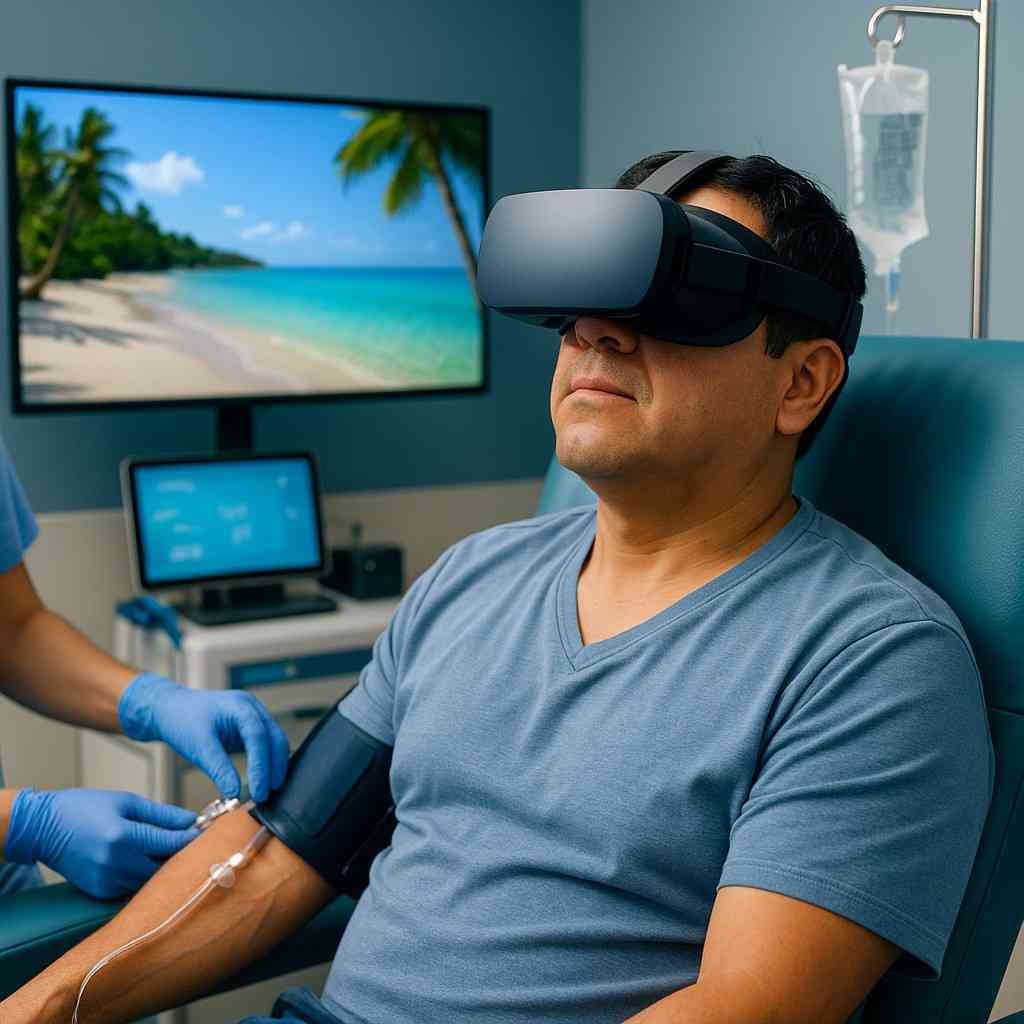
Virtual Reality Distraction Therapy for Procedural Pain Relief
Virtual Reality Distraction Therapy for Procedural Pain Relief
Medical procedures—from wound care and injections to physical therapy and dental work—often involve significant pain and anxiety that can be difficult to manage with medications alone. Virtual reality (VR) technology has emerged as a powerful non-pharmacological tool for procedural pain relief, using immersive digital environments to hijack attention away from painful stimuli and activate pain-inhibiting brain pathways. At Pain Management Laredo, we're excited about VR's potential to reduce suffering during painful procedures and rehabilitation sessions. For patients in Laredo, TX and Webb County, virtual reality offers a medication-free approach to procedural pain that's particularly valuable for children, individuals avoiding opioids, and those seeking complementary pain relief strategies.
The Science of VR Pain Distraction
Virtual reality's effectiveness for pain relief is grounded in neuroscience research revealing how immersive experiences alter pain processing:
Attention and Pain Perception
- Limited Attentional Capacity: The brain has finite conscious attention; when VR captures the majority of cognitive resources with engaging sensory input, less attention remains available to process pain signals.
- Competitive Processing: Pain and VR content compete for the same neural processing pathways; the more immersive and demanding the VR experience, the less neural activity is devoted to pain perception.
- Presence and Immersion: VR creates a sense of "presence"—the subjective feeling of being in the virtual environment rather than the physical world—which strongly correlates with pain reduction.
- Visual-Spatial Processing: VR engages visual and spatial processing systems in the brain, occupying neural real estate that would otherwise contribute to pain awareness.
- Multisensory Integration: By providing coordinated visual, auditory, and sometimes haptic (touch) feedback, VR creates a rich sensory experience that crowds out pain sensations.
Neurobiological Mechanisms
- Endogenous Opioid Release: Engaging, positive VR experiences trigger the brain's natural pain-relieving opioid system, releasing endorphins and enkephalins that reduce pain perception.
- Descending Pain Inhibition: VR activates descending pain modulation pathways from the brain to the spinal cord, actively suppressing pain signal transmission before it reaches conscious awareness.
- Reduced Amygdala Activation: VR can decrease activity in the amygdala (the brain's fear and threat center), reducing the emotional distress component of pain experiences.
- Anterior Cingulate Cortex Modulation: This brain region processes the unpleasantness of pain; VR appears to reduce its activation, making pain feel less bothersome even if intensity remains unchanged.
- Gate Control Theory: VR may activate the "gate control" mechanism in the spinal cord, where non-painful sensory input (like VR-generated visual and auditory stimulation) closes neural gates to pain transmission.
Functional Brain Imaging Evidence
- fMRI Studies: Functional magnetic resonance imaging shows that during VR distraction, pain-related brain regions (anterior cingulate cortex, insula, somatosensory cortex) show significantly reduced activation compared to painful procedures without VR.
- Network Connectivity Changes: VR appears to alter connectivity between brain networks, reducing communication between pain-processing regions while enhancing activity in attention and executive function networks.
- Dose-Response Relationship: Research demonstrates that greater VR immersion (higher quality graphics, more interactive content, better head tracking) correlates with greater reductions in pain-related brain activity.
- Persistent Effects: Some studies suggest VR's pain-relieving effects may persist briefly after the headset is removed, indicating neuroplastic changes beyond simple distraction.
Pain Management Laredo follows this neuroscience research closely as we evaluate how VR technology might enhance pain management for our Laredo patients undergoing painful procedures and therapies.
Clinical Applications of VR Pain Management
Virtual reality has been successfully deployed across diverse medical settings for procedural pain relief:
Burn Wound Care
- SnowWorld: The most extensively studied VR pain application, developed at the University of Washington, immerses burn patients in a frozen canyon environment while undergoing extremely painful wound debridement and dressing changes.
- Dramatic Pain Reduction: Studies show 30-50% reductions in pain ratings during wound care when using VR compared to standard care, with some patients reporting pain reductions equivalent to opioid doses.
- Reduced Opioid Requirements: VR allows lower opioid dosing for burn procedures, reducing side effects, addiction risk, and facilitating faster recovery.
- Anxiety Relief: Beyond pain, VR dramatically reduces anticipatory anxiety before wound care, improving patient cooperation and reducing psychological trauma from repeated painful procedures.
- Pediatric Applications: Children with burns particularly benefit from VR, which transforms terrifying wound care into a tolerable, even engaging experience.
Medical Procedures and Interventions
- IV Placement and Blood Draws: VR distraction during venipuncture, particularly in children and needle-phobic adults, reducing pain, anxiety, and procedure time.
- Dental Procedures: Immersive VR during dental work—fillings, extractions, root canals—reducing pain and anxiety while improving patient tolerance of longer procedures.
- Colonoscopy and Endoscopy: VR during conscious sedation for gastrointestinal procedures reducing sedation requirements and improving patient comfort.
- Pain Clinic Injections: At Pain Management Laredo, VR could potentially be used during epidural steroid injections, facet joint injections, and other interventional procedures to reduce patient anxiety and pain.
- Minor Surgical Procedures: VR during laceration repair, abscess drainage, skin biopsies, and other office-based surgical procedures performed under local anesthesia.
- Chemotherapy Infusions: Cancer patients using VR during chemotherapy administration to reduce treatment-related distress, nausea, and pain from IV placement.
Physical Therapy and Rehabilitation
- Post-Surgical Rehabilitation: VR-guided physical therapy exercises that make painful rehabilitation more tolerable and engaging, improving adherence to therapy protocols.
- Range of Motion Training: Gamified VR experiences that encourage patients to move painful joints through their full range of motion, achieving therapeutic goals while distracted from discomfort.
- Mirror Therapy Enhancement: VR-based mirror therapy for phantom limb pain, stroke rehabilitation, and complex regional pain syndrome, providing more realistic and customizable visual feedback than traditional mirrors.
- Balance and Gait Training: Immersive environments for balance exercises in patients with chronic pain conditions affecting mobility, making repetitive exercises less monotonous.
- Chronic Pain Rehabilitation: Multi-week VR-enhanced rehabilitation programs combining exercise, relaxation, and cognitive training for chronic back pain, fibromyalgia, and other conditions.
Pediatric Pain Management
- Vaccination and Immunizations: VR distraction during childhood vaccinations reducing pain and distress, potentially decreasing needle phobia development.
- Laceration Repair: Children receiving sutures while immersed in VR worlds, dramatically reducing the trauma of emergency department wound repair.
- Cancer Treatment Procedures: Pediatric oncology patients using VR during port access, bone marrow biopsies, and lumbar punctures to reduce procedural pain and anxiety.
- Chronic Disease Management: Children with sickle cell disease, juvenile arthritis, or other painful chronic conditions using VR during pain flares or medical procedures.
- Preoperative Preparation: VR tours of operating rooms and animated explanations of surgical procedures reducing preoperative anxiety in children.
As VR technology becomes more accessible and evidence-based applications expand, Pain Management Laredo envisions incorporating VR into our procedural services and rehabilitation programs for Laredo patients across the age spectrum.
Evidence Supporting VR for Pain
A growing body of research demonstrates VR's efficacy for procedural pain management:
Meta-Analyses and Systematic Reviews
- 2020 Meta-Analysis: Analysis of 20 randomized controlled trials involving over 1,000 patients showed VR reduced pain intensity by an average of 1.48 points on a 0-10 scale compared to control conditions during painful procedures.
- Pediatric Evidence: Systematic review of VR for pediatric procedural pain found significant pain reductions across diverse procedures with effect sizes ranging from moderate to large.
- Burn Care Evidence: Multiple studies consistently show 30-50% reductions in pain during burn wound care when using VR, with some studies documenting pain reductions comparable to opioid analgesia.
- Dental Pain Studies: Meta-analysis of VR for dental procedures showing significant reductions in pain and anxiety across both adults and children.
- Safety Profile: Systematic reviews confirm VR is well-tolerated with minimal adverse effects (occasional mild nausea or dizziness that resolves quickly after headset removal).
Comparative Effectiveness
- VR vs. Standard Distraction: Studies comparing VR to traditional distraction methods (video games on screens, music, conversation) consistently show VR produces superior pain reduction.
- VR Plus Medication vs. Medication Alone: Research demonstrates additive benefits when VR is combined with standard pain medications rather than used as monotherapy.
- Immersive VR vs. Non-Immersive: Head-mounted VR displays produce significantly greater pain relief than watching VR content on flat screens, confirming the importance of immersion.
- Interactive vs. Passive VR: Active VR experiences where patients interact with the environment (throwing snowballs, navigating mazes) reduce pain more than passive viewing of VR content.
VR Applications for Laredo Patients
Virtual reality pain management holds specific promise for Webb County residents:
Addressing Healthcare Access Barriers
- Reducing Opioid Exposure: For Laredo patients concerned about opioid addiction risk or experiencing side effects from pain medications, VR offers a medication-free complementary approach.
- Pediatric Procedure Comfort: VR can make medical procedures less traumatic for children in Laredo, potentially reducing procedure-related anxiety that can persist into adulthood.
- Cost-Effective Pain Management: While initial VR equipment investment exists, the technology offers long-term cost savings by reducing medication use, improving procedure efficiency, and preventing complications.
- Language-Independent: VR experiences work regardless of language spoken, eliminating communication barriers in Laredo's bilingual community during stressful medical procedures.
Specific Laredo Applications
- Interventional Pain Procedures: Using VR at Pain Management Laredo during epidural injections, radiofrequency ablations, and other procedures to reduce patient anxiety and improve comfort.
- Chronic Pain Rehabilitation: VR-enhanced physical therapy programs helping Laredo patients engage more fully in painful rehabilitation exercises necessary for recovery.
- Pediatric Services: VR for children receiving painful treatments in Laredo's medical facilities, improving the experience for young patients and their families.
- Wound Care: VR during dressing changes for diabetic ulcers, surgical wounds, or traumatic injuries common in Webb County populations.
- Home-Based Applications: As VR becomes more affordable, potential for patients to use VR at home during painful dressing changes, physical therapy exercises, or pain flares.
Types of VR Content for Pain Management
Different VR experiences serve different pain management purposes:
Distraction-Based Content
- Immersive Environments: Realistic natural settings (underwater coral reefs, mountain landscapes, forests) that create a sense of presence and escape from the medical environment.
- Interactive Games: Engaging gameplay that demands attention and problem-solving, occupying cognitive resources that would otherwise process pain.
- Narrative Experiences: Story-driven VR content that captures emotional engagement and attention through compelling narratives.
- Creative Activities: Virtual painting, sculpture, music creation, and other creative tasks that engage multiple brain systems while providing positive emotional experiences.
Therapeutic Content
- Relaxation Environments: Calming VR scenes designed specifically for relaxation and stress reduction, incorporating biofeedback and guided breathing exercises.
- Guided Imagery: Narrated VR journeys through peaceful environments with relaxation instructions, meditation guidance, and pain management coping strategies.
- Biofeedback Integration: VR environments that respond to physiological signals (heart rate, breathing, skin conductance), teaching patients to control stress responses.
- Pain Neuroscience Education: Interactive VR experiences teaching patients about pain mechanisms, reducing fear and catastrophizing while building self-efficacy.
Rehabilitation-Specific Content
- Gamified Exercises: Physical therapy movements transformed into game objectives, making repetitive exercises engaging and rewarding.
- Mirror Therapy Programs: VR applications for phantom limb pain, CRPS, and stroke recovery using virtual mirror techniques more sophisticated than traditional mirrors.
- Movement Training: VR environments that guide and reward specific therapeutic movements, providing real-time feedback on movement quality and range of motion.
- Graded Exposure: For patients with fear-avoidance, VR allows gradual, controlled exposure to feared movements in safe virtual environments.
Implementation Considerations
Successfully deploying VR for pain management requires attention to practical details:
Equipment and Technology
- Headset Selection: Choosing appropriate VR hardware based on use case—standalone headsets (Oculus Quest, HTC Vive Focus) for clinical settings vs. smartphone-based systems (Google Cardboard) for home use.
- Hygiene Protocols: Implementing thorough cleaning procedures for VR headsets between patients to prevent infection transmission, particularly important in medical settings.
- Infection Control: Using disposable VR headset covers or barriers for immunocompromised patients, burn patients, or other high-risk populations.
- Patient Positioning: Ensuring VR equipment doesn't interfere with medical procedures and can be used in various patient positions (sitting, lying, prone).
- Staff Training: Training Pain Management Laredo staff on VR equipment operation, troubleshooting, patient instruction, and integration into clinical workflows.
Patient Selection
- Age Appropriateness: VR is generally suitable for ages 7-8 and older; younger children may not tolerate headsets, though some pediatric-specific designs accommodate younger ages.
- Medical Contraindications: Avoiding VR in patients with epilepsy, severe motion sensitivity, acute psychiatric conditions, or injuries preventing headset wear.
- Vision Requirements: Patients need adequate vision in at least one eye; VR can accommodate glasses wearers or provide adjustable lenses.
- Cognitive Capacity: Patients must understand how to use VR equipment and follow basic instructions, though VR can be adapted for various cognitive levels.
- Patient Preference: Some individuals don't enjoy VR or find it disorienting; offering VR as an option rather than mandatory intervention respects patient autonomy.
Optimization Strategies
- Content Matching: Selecting VR experiences based on individual preferences (some patients prefer natural environments, others prefer games; some want calming experiences, others want exciting adventures).
- Timing: Starting VR before painful procedures begin and maintaining immersion throughout the pain-producing portion of the procedure.
- Combined Approaches: Using VR alongside appropriate analgesia rather than expecting VR alone to manage severe procedural pain.
- Familiarization: Allowing patients to experience VR before painful procedures to become comfortable with the technology and reduce novelty effects during treatment.
- Continuous Improvement: Collecting patient feedback on VR experiences and continuously refining content selection and implementation protocols.
Limitations and Challenges
While promising, VR pain management faces important limitations:
Technical Limitations
- Cybersickness: Some users (approximately 20-30%) experience nausea, dizziness, or disorientation during VR use, limiting tolerability.
- Visual Quality: Current VR resolution, while improving rapidly, still falls short of real-world visual acuity, potentially limiting immersion for some users.
- Equipment Burden: Headsets can feel heavy or uncomfortable during extended use, and cables (for tethered systems) can limit movement.
- Heat Generation: VR headsets generate heat during use, which can be uncomfortable, particularly for burn patients or in warm climates like Laredo.
Clinical Limitations
- Severe Pain: VR is most effective for mild to moderate pain; severe pain may overwhelm distraction capabilities, requiring adequate pharmacological analgesia.
- Individual Variability: Pain relief from VR varies dramatically between individuals; some experience substantial relief while others report minimal benefit.
- Habituation: With repeated use, VR's novelty and pain-relieving effects may diminish, though varying content can mitigate this issue.
- Procedure Limitations: Some medical procedures (facial surgery, eye procedures) preclude VR headset use; others require patient communication difficult with VR immersion.
Access and Equity
- Cost Barriers: While VR equipment costs are dropping, initial investment may limit adoption in smaller practices or under-resourced healthcare settings.
- Technology Literacy: Older adults or individuals unfamiliar with technology may feel intimidated by VR, requiring additional support and education.
- Language and Culture: Most VR content is developed in English for Western populations; limited Spanish-language or culturally-tailored content may reduce effectiveness for some Laredo patients.
- Home Access Inequity: While clinical VR is becoming available, home-based VR pain management requires equipment and internet access not uniformly available across socioeconomic groups.
The Future of VR Pain Management
Ongoing technological advancement promises increasingly sophisticated VR pain applications:
Emerging Technologies
- Haptic Feedback: Advanced VR gloves and suits providing touch sensations in virtual environments, enhancing immersion and distraction from real-world pain.
- Brain-Computer Interfaces: Direct neural monitoring adjusting VR content in real-time based on brain activity patterns associated with pain, optimizing pain relief.
- Prescription VR: FDA-cleared VR applications prescribed like medications for specific pain conditions, with insurance reimbursement and evidence-based protocols.
- AI-Personalized Content: Machine learning algorithms customizing VR experiences to individual patients based on their pain patterns, preferences, and responses.
- Mixed Reality Applications: Augmented reality overlaying therapeutic content onto the real world, allowing pain management during procedures without complete isolation from the environment.
Research Directions
- Chronic Pain Applications: Expanding VR beyond procedural pain to long-term chronic pain management through repeated VR therapy sessions.
- Mechanism Studies: Advanced neuroimaging research clarifying exactly how VR alters pain processing and identifying biomarkers predicting VR responsiveness.
- Optimization Trials: Research determining optimal VR content characteristics, session duration, and usage frequency for different pain conditions and populations.
- Home-Based VR: Studies evaluating feasibility, efficacy, and safety of patient-directed VR pain management at home between clinical visits.
- Pediatric Development: Age-appropriate VR content and protocols specifically designed for children across developmental stages.
At Pain Management Laredo, we're following these developments closely and preparing to integrate validated VR applications into our comprehensive pain management services. Virtual reality represents an exciting frontier in non-pharmacological pain relief, offering Laredo patients innovative, engaging, and effective pain management during procedures and rehabilitation.
Whether you're anticipating a painful procedure, struggling with rehabilitation adherence due to exercise-related pain, or seeking medication-free pain relief options, Pain Management Laredo is committed to providing cutting-edge care that may soon include virtual reality therapy. Contact us to discuss your pain management needs and learn about all available treatment options, from traditional approaches to emerging innovations like VR.